The pursuit of a discounted hotel rate is often framed as a purely financial endeavor, a mathematical exercise in shaving twenty percent off a nightly rate. However, for the aesthetic-conscious traveler, a hotel deal is not merely a lower price point; it is a strategic acquisition of environment, lighting, and skincare-friendly infrastructure. There is a prevailing myth in the travel industry suggests that securing a significant discount on a hotel room necessitates a proportional sacrifice in aesthetic quality or wellness amenities. There is this idea that a “deal” is synonymous with flickering fluorescent lights, scratchy polyester linens, and a complimentary soap bar that leaves your skin feeling like parchment paper. This binary view—that you either pay full price for a beauty-centric experience or save money in a sterile, skin-dehydrating environment—is fundamentally flawed. In the highly competitive American hospitality market, luxury properties often fluctuate in price by as much as 60% based on occupancy algorithms, group bookings, and seasonal shifts. Finding the best hotel deals in the USA for 2025 requires looking beyond the sticker price and analyzing the total beauty ROI of a stay, including the quality of the bathroom lighting, the mineral content of the local water, and the caliber of the on-site apothecary.
Finding Beauty-Centric Hotel Deals via Wellness and Spa Packages
When searching for hotel deals in the USA, the savvy traveler identifies value not just in the nightly rate, but in the bundled amenities that offset the costs of a standard beauty routine. Many high-end resorts offer “wellness credits” or “spa inclusive” packages that, while appearing more expensive upfront, actually lower the total cost of a trip for those who prioritize skincare and body treatments. For instance, properties in the American Southwest or Miami often run mid-week specials where a $400 room includes a $200 spa credit. If you were already planning on a facial or a lymphatic drainage massage, the effective cost of your luxury accommodation drops to $200—a price point usually reserved for mid-tier business hotels with zero aesthetic appeal. This “bundled value” is the secret weapon of the beauty traveler, allowing for professional-grade treatments that would otherwise cost $250+ in a standalone metropolitan clinic.
The Standard Spa, Miami Beach
The Standard Spa in Miami is a prime example of a property where the deal lies in the facility access rather than just the four walls of the room. Unlike traditional hotels, this is a “spa with guest rooms,” meaning the entire ethos is built around dermal health and relaxation. Rates can fluctuate wildly from $250 in the low season (August/September) to over $800 during Art Basel.
Approximate Price: $325 – $750 per night.
Pros: Unlimited access to the hydrotherapy circuit, which includes a Turkish hamam, arctic plunge, and Roman waterfall. These facilities are essential for lymphatic drainage, reducing travel-induced puffiness, and enhancing skin glow. The hotel also features curated skincare in the boutique, often stocking brands like Dr. Barbara Sturm.
Cons: The rooms are intentionally minimalist and can feel small for those traveling with extensive beauty kits or professional-grade hair styling tools. The lighting in the standard “Large” rooms is moody, which is great for relaxation but challenging for precision makeup application.
Civana Wellness Resort & Spa, Arizona
Located in the high desert of Carefree, Arizona, Civana offers a “Joyful Journey” package that frequently includes significant credits toward their world-class spa. This property is a sanctuary for those whose skin thrives in low-humidity, high-mineral environments.
Approximate Price: $380 – $600 per night.
Pros: Excellent desert air quality and a focus on holistic wellness. Their “Aqua Therapy Circuit” is world-class, featuring hot and cold pools that stimulate circulation. The spa menu features “Desert Botanicals” facials using locally sourced prickly pear and clay, retailing normally for $225 but often covered by the package credit.
Cons: The remote location means you are largely tied to the resort’s dining options. While the food is “clean” and skin-friendly, the prices are premium, which can offset the savings found on the room rate if one isn’t careful with their daily budget.
| Hotel Property | Typical Deal Type | Beauty/Wellness Highlight | Water Quality/Hair Impact | Best Booking Window |
|---|---|---|---|---|
| The Standard, Miami | Mid-week Spa Credit | Hydrotherapy Circuit | Softened (Good for frizz) | September – October |
| Civana, Arizona | Inclusive Wellness Pkg | Hydrafacials & Botanicals | High Mineral (Needs chelating) | June – August |
| Waldorf Astoria, Chicago | Suite Upgrades | Soaking Tubs & Lighting | Standard Urban (Moderate) | January – February |
| Edition Hotel, NYC | Amex FHR Credit | Le Labo Custom Amenities | Soft (Excellent for volume) | July – August |
| The Wynn, Las Vegas | Casino Loyalty Rate | Encore Spa & Salon | Hard (Requires heavy masking) | Tuesday – Thursday |
The data shows that properties in “beauty hubs”—cities known for high aesthetic standards—often struggle to fill rooms during specific windows. Chicago in the dead of winter is a goldmine for those who want five-star bathroom vanities and high-pressure rainfall showers for a fraction of the summer price. The Waldorf Astoria Chicago, for example, often drops its rates significantly during the colder months. While the wind chill outside is brutal for the skin, the interior environment is designed for recovery, featuring some of the best hotel lighting in the country—specifically, 3000K-3500K LED mirrors that provide the perfect color temperature for makeup application and skincare photography.
Always look for the “Resort Fee” breakdown. Many USA hotel deals hide a $40-$60 daily fee. However, in luxury wellness properties, this fee often covers high-end gym access, yoga classes, and premium filtered water stations—amenities that would cost more if purchased à la carte in a city like New York or Los Angeles. If the fee includes a $20 daily “laundry or dry cleaning credit,” use it for your silk pillowcases to ensure they remain pristine throughout your trip.
Seasonal and Geographic Booking Strategies for Aesthetic Travel in the USA
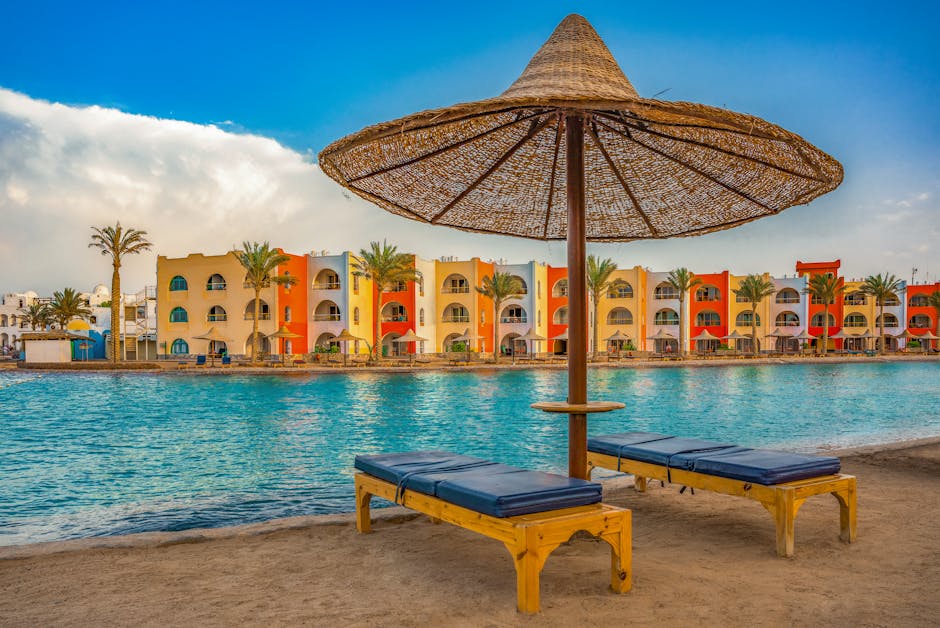
Geographic arbitrage is a powerful tool for the researcher looking for hotel deals in the USA. The price of a room isn’t just a reflection of its quality; it is a reflection of the local demand. By shifting your focus to cities that are in their “shoulder season,” you can access environments that support skin health and relaxation without the premium. The American West, particularly the high deserts of New Mexico and Utah, offers some of the most restorative environments in the world. During the late spring and early fall, these regions provide low-humidity environments that are excellent for certain hair types—specifically those prone to humidity-induced frizz—and offer a natural glow that no highlighter can replicate. But the prices? They drop as the temperature rises or falls away from the peak trekking seasons.
Amangiri vs. Accessible Alternatives in Southern Utah
While Amangiri is the gold standard for aesthetic travel, it rarely offers “deals.” However, the surrounding area in Southern Utah has seen an influx of luxury glamping and boutique hotels like Under Canvas or the Advenire in St. George. These properties offer the same mineral-rich air and stunning natural light at a third of the cost.
The Advenire, Autograph Collection: $250 – $450 per night.
Pros: High-end bathroom fixtures, including deep soaking tubs and backlit vanity mirrors. Proximity to red rock state parks allows for natural Vitamin D exposure (with proper SPF, of course).
Cons: Lacks a full-service on-site spa, requiring you to source treatments in nearby St. George. The water in this region is notoriously hard (high calcium content), so travelers should bring a chelating shampoo to prevent hair dullness.
The Las Vegas Aesthetic Paradox: High-End Lighting vs. Low-Humidity Air
Las Vegas offers some of the most aggressive hotel deals in the USA, particularly at properties like the Wynn or Encore. While these are “deals” in terms of the nightly rate (often as low as $180 mid-week), they present a challenge for beauty maintenance. The air in Las Vegas is incredibly dry, and the water is some of the hardest in the country.
The Wynn/Encore Deal: Mid-week rates are often 70% lower than weekends.
Beauty Strategy: Use the savings from the room to book a treatment at the Encore Spa, which is widely considered one of the best in the world. Use their “Oxygen Infusion” facial ($280) to combat the desert dryness.
Specs: The rooms feature floor-to-ceiling windows with motorized shears, allowing you to control the natural light for “golden hour” photos without leaving your bed.
The Hidden Infrastructure of Beauty: Water Quality and Bathroom Ergonomics
A true “deal” isn’t a deal if the hotel’s infrastructure sabotages your beauty routine. Many budget-friendly hotel deals in the USA utilize outdated plumbing and low-CRI (Color Rendering Index) lighting. When evaluating a deal, look for mentions of “Renovated in 2023/2024.” Newer renovations almost always include improved water filtration systems and LED mirrors that don’t cast the dreaded “green hue” associated with older fluorescent bulbs. For the skincare enthusiast, the bathroom is the most important room in the hotel. A “deal” on a room with a pedestal sink and no counter space is a nightmare for someone with a 10-step routine.
Furthermore, consider the “Shower Head Factor.” Luxury properties like the Four Seasons or Ritz-Carlton (which can be found on deal via Third-Night-Free promotions) use high-flow, filtered shower heads. In cities like New York or Philadelphia, where the municipal water can be heavy on chlorine, these filters are the difference between a “good hair day” and a week of scalp irritation. If you are booking a lower-priced deal at a boutique property, it is often worth investing in a portable filtered shower head (like the Jolie or Hello Klean models) to ensure your “deal” doesn’t result in $200 worth of hair damage.
The 21c Museum Hotel Chain: A Case Study in Boutique Value
For those who find beauty in art and modern design, the 21c Museum Hotel chain (with locations in cities like Louisville, Bentonville, and Nashville) offers a unique value proposition.
Approximate Price: $180 – $350 per night.
Pros: They exclusively stock Malin+Goetz amenities.
Specs: Their standard kit includes the Peppermint Shampoo (3 fl oz), Rum Body Wash (3 fl oz), and Vitamin B5 Body Moisturizer (3 fl oz). These are high-quality, pH-balanced products that retail for roughly $15-$20 per travel size. Over a three-day stay, the value of these amenities alone can be $60+.
Cons: Some locations are in converted historic buildings, meaning room sizes and layouts can be inconsistent. Always request a “Corner Suite” for the best natural light.
Harnessing Premium Credit Cards and Loyalty Tiers for Skincare and Grooming Benefits
The final layer of securing elite hotel deals in the USA involves the strategic use of loyalty programs and credit card benefits. This isn’t about collecting points for a “free” night three years from now; it is about the immediate, tangible perks that enhance your beauty regimen. Programs like American Express Fine Hotels + Resorts (FHR) or Chase Sapphire Reserve’s Luxury Hotel & Resort Collection provide benefits that are specifically tailored to the luxury traveler. When you book through these portals, you often receive a $100 property credit, which can almost always be used at the hotel spa. This effectively turns a standard room booking into a spa day package.
The Hyatt Privé and Marriott Stars Advantage
Beyond the standard points, many luxury travel advisors have access to programs like Hyatt Privé. When booking a Hyatt property (such as a Park Hyatt or an Andaz) through these channels, you often get a confirmed upgrade at the time of booking, free breakfast (essential for maintaining a healthy travel diet rich in antioxidants), and a $100 credit.
Park Hyatt New York: $800 – $1,200 (Standard).
The “Deal”: By using a Privé rate during a 3rd-night-free promotion, the average cost drops to $600 per night, including breakfast and a spa credit.
Pros: The salt-water pool with underwater speakers is a meditative experience that rivals any dedicated spa. The rooms feature Le Labo Santal 33 or Bergamote 22 amenities, which are the pinnacle of luxury grooming.
Cons: Even with the deal, it remains one of the most expensive options in the city, requiring a significant upfront investment.
Loyalty tiers also provide “hidden” beauty benefits. For instance, Marriott Bonvoy Titanium or Hyatt Globalist status often grants access to executive lounges. While many see these as places for free snacks, the real value for the beauty-conscious is the controlled environment. These lounges offer a quiet, low-stress space to work or relax, away from the chaos of the lobby, which helps maintain lower cortisol levels—a vital component of skin health. Furthermore, high-tier members often receive late checkout (4:00 PM). This allows for a final morning spa treatment or a slow, meticulous packing of your skincare products, ensuring nothing leaks and your routine isn’t rushed. A rushed departure is the leading cause of “skincare spills” and forgotten $100 serums.
Common Pitfalls: When a ‘Deal’ Destroys Your Skincare Routine
Not all hotel deals in the USA are created equal. The “Renovation Trap” is the most common mistake. Many hotels offer deep discounts (up to 50% off) when they are undergoing construction. While the price is tempting, the environmental impact on your skin and hair can be severe. Construction dust is often alkaline and can disrupt the skin’s acid mantle, leading to breakouts or sensitivity. Furthermore, the noise can disrupt sleep cycles, which is the primary time for cellular skin repair. Always check recent reviews from the last 14 days to ensure the spa and fitness center are fully operational. There is nothing more frustrating than booking a deal for the “luxury steam room” only to find it shuttered for tile repair.
Another pitfall is the “Airport Hotel Deal.” While these hotels are often significantly cheaper, they are frequently located in high-pollution corridors. The particulate matter from jet fuel and heavy traffic can be detrimental to skin health. If you must book an airport deal, ensure the hotel has high-quality HVAC systems with HEPA filtration. A “deal” that leaves you with “city skin”—dullness and clogged pores—is no bargain at all. Instead, look for boutique hotels in residential neighborhoods (like Brooklyn’s Williamsburg or Chicago’s Lincoln Park) which often offer “neighborhood rates” that are competitive with airport prices but offer a much cleaner environment.
- Check for “Stay 3, Pay 2” Offers: Many luxury hotels in the USA use this to maintain their daily rate while offering a 33% discount to the consumer. This is common at brands like The Edition or Loews.
- Use the Amex Platinum $200 Hotel Credit: This is an annual credit that applies to FHR bookings, making a $300 luxury night only $100 out of pocket.
- Join the “Founder’s Card” or Similar Groups: These often provide flat-rate discounts at boutique hotel brands like Standard or Viceroy that aren’t available to the general public.
- Monitor the “Special Offers” Page Directly: Hotels like the Edition or W often hide “Beauty and the City” packages on their own websites that aggregators like Expedia never see. These often include a free “beauty box” or local skincare samples.
The intersection of fashion, beauty, and travel is where the most interesting hotel deals in the USA are found. It requires a shift in perspective: stop looking for the cheapest bed and start looking for the most undervalued aesthetic experience. Whether it is a desert retreat in Arizona during the off-season or a Sunday night in a Manhattan luxury tower, the opportunities to save while maintaining your standards are abundant. The key is to analyze the amenities, understand the seasonal cycles of the specific city, and use the right booking tools to unlock credits that pay for your skincare and wellness habits. Travel shouldn’t be a hiatus from your beauty standards; with the right deal, it should be an elevation of them. By prioritizing lighting, water quality, and spa access, you transform a simple “hotel stay” into a comprehensive beauty treatment that pays for itself in radiance and relaxation.