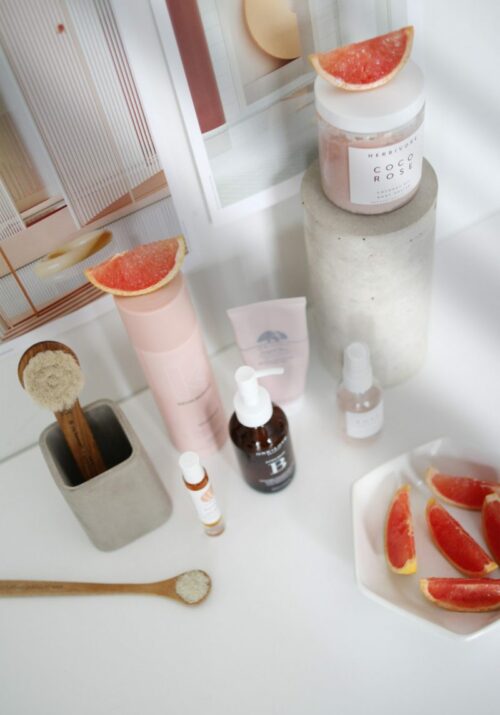
The radiator in your apartment has been clicking for three months straight, and the air it emits has finally won its war against your lipid barrier. You look in the mirror and see a complexion that isn’t just pale—it is translucent in a way that suggests a total depletion of micronutrients. This is the February threshold. It is the point where standard topical interventions fail because the environment itself is the antagonist. While the masses wait for the traditional spring thaw, the strategic traveler looks to specific European microclimates that offer more than just a change of scenery; they offer a biological reset.
Why Europe in February Offers the Best Environment for Skin Recovery
February is often dismissed as a dead zone for travel, yet from a dermatological and aesthetic perspective, it provides a controlled environment that summer cannot replicate. The primary advantage is the lack of aggressive humidity and the ability to undergo intensive skin treatments without the immediate risk of post-inflammatory hyperpigmentation caused by high UV exposure. In the northern latitudes, the cold air acts as a natural vasoconstrictor, which can reduce puffiness and calm systemic inflammation, provided the skin is properly occluded.
Research into ‘climatotherapy’ suggests that specific regions in Europe during late winter provide optimal concentrations of minerals and light. Unlike the sweltering heat of July, February allows for the layering of heavy, ceramide-rich creams that would otherwise clog pores in a Mediterranean summer. Furthermore, the lower tourist density means that high-end medical spas and thermal facilities are not over-chlorinated or overcrowded, preserving the integrity of the mineral water and the quality of the service. We are looking for locations that offer a specific ‘beauty utility’—whether that is the silica-rich waters of Iceland or the unique light quality of the Canary Islands.
The Role of Low-Angle Sunlight
In February, the sun sits lower on the horizon across most of the continent. For the beauty-conscious traveler, this creates a ‘golden hour’ that lasts for several hours rather than minutes. This soft-focus lighting is not just a boon for photography; it is a psychological reprieve from the harsh, clinical overhead lighting of winter offices. It also allows for a measured reintroduction of Vitamin D synthesis in southern regions without the thermal stress of peak summer heat.
Budapest Hungary: The Mineral Rich Thermal Bath Capital

Budapest sits atop a complex network of thermal springs that deliver a unique cocktail of minerals including calcium, magnesium, and hydrocarbonate. While many visit for the architecture, the true value lies in the transdermal absorption of these minerals. The city’s ‘Spa Culture’ is not a modern marketing invention but a Roman and Ottoman legacy that understands the skin as a porous organ capable of systemic healing.
Gellért Thermal Bath vs. Széchenyi Infrastructure
The Gellért Baths are the pinnacle of Art Nouveau aesthetics, offering a sophisticated environment for those who find the visual atmosphere as important as the water quality. The indoor pools are tiled with Zsolnay ceramics, providing a sensory experience that calms the nervous system—a critical component of skin health. Conversely, Széchenyi offers a more expansive outdoor experience. There is a specific physiological benefit to the ‘contrast therapy’ found here: soaking in 38°C (100°F) mineral water while the ambient air is near freezing. This stimulates the lymphatic system and encourages rapid detoxification.
| Feature | Gellért Thermal Bath | Széchenyi Thermal Bath |
|---|---|---|
| Primary Minerals | Magnesium, Calcium, Sulfate | Sulphur, Calcium, Magnesium |
| Aesthetic Tone | Art Nouveau / Quiet Luxury | Neo-Baroque / Social & Grand |
| Best For | Deep relaxation & Skin soothing | Circulation & Lymphatic drainage |
| Price (Approx) | €35 – €45 | €25 – €35 |
The Omorovicza Thermal Cleansing Balm (approx. €65) is a direct byproduct of this region’s geology. It uses Hungarian Moor mud which is high in calcium and magnesium. Pro: Deeply detoxifying without stripping. Con: The scent can be earthy and polarizing.
The Canary Islands: Reclaiming Vitamin D and Natural Radiance
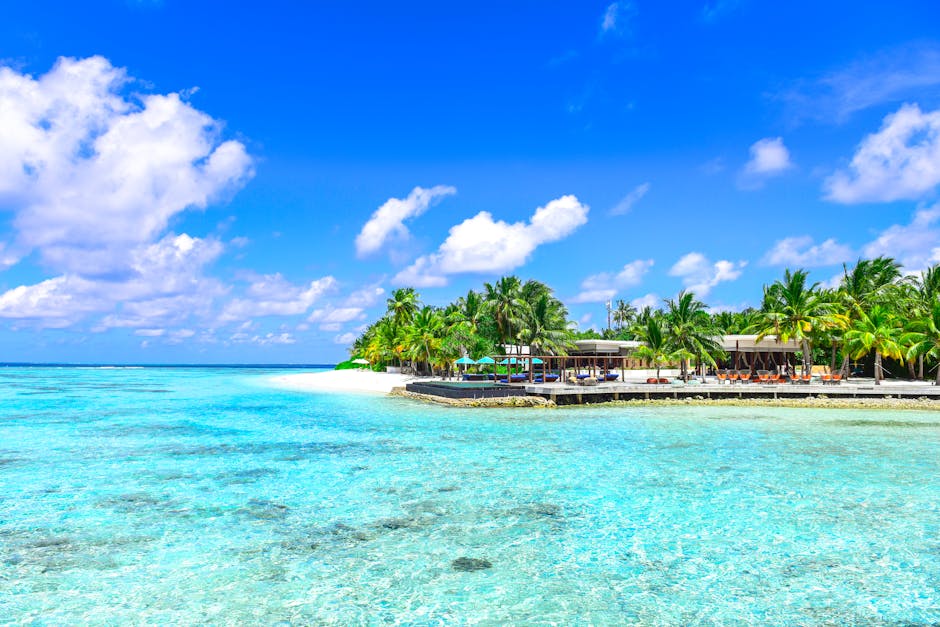
Tenerife and Gran Canaria represent the only parts of Europe that offer a true ‘spring’ climate in February. For those suffering from Seasonal Affective Disorder (SAD) or the sallow skin associated with it, the Canary Islands provide a controlled dose of UV radiation. The air here is purified by the Atlantic trade winds, meaning it is remarkably free of the urban pollutants that contribute to ‘inflammaging.’
The beauty strategy here is not about a deep tan—which we know is DNA damage—but about ‘light therapy.’ The islands offer an average of six to eight hours of sunshine in February with temperatures hovering around 20°C (68°F). This allows for outdoor activities that stimulate blood flow and oxygenate the skin without the risk of heat stroke or excessive perspiration. The volcanic soil also produces a specific variety of Aloe Vera (Aloe Barbadensis Miller) that is significantly more potent in polysaccharides than varieties grown elsewhere, making it a local ‘superfood’ for the skin.
Top Recommendation: The Ritz-Carlton Abama, Tenerife
This resort is a fortress of wellness. Their spa focuses on ‘ocean-inspired’ treatments that utilize the surrounding Atlantic water.
- Model: 7-Day Wellness Retreatment
- Price: Approx. €450 per night
- Pro: World-class hydrotherapy circuit and secluded microclimate.
- Con: The resort is massive; navigating the grounds requires significant walking or shuttle use.
St. Moritz Switzerland: High-Altitude Luxury and Cryotherapy Benefits
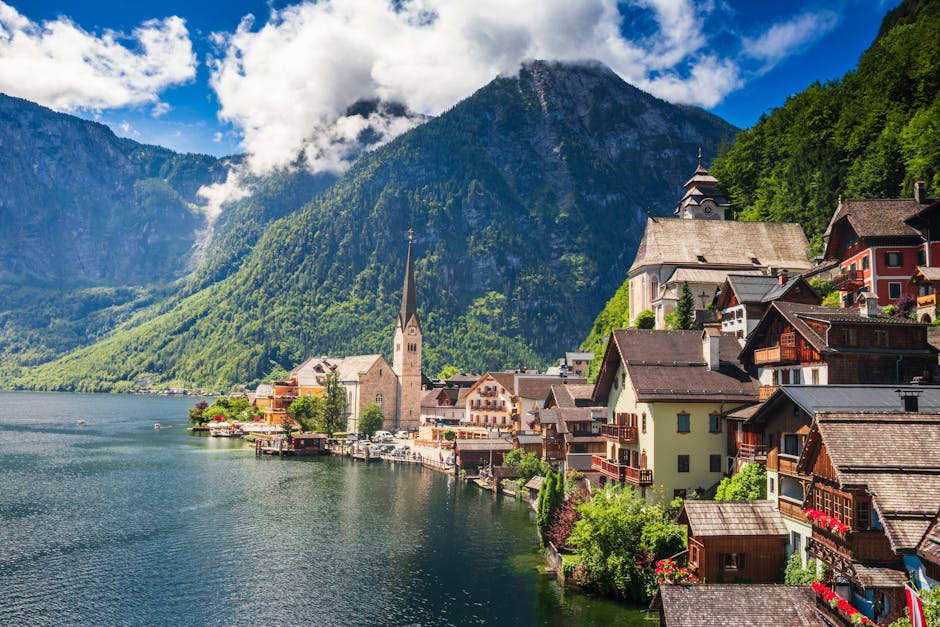
If Budapest is about heat, St. Moritz is about the ‘Champagne Climate’—dry, sparkling air and intense, high-altitude sun. Visiting the Swiss Alps in February is an exercise in cold-weather beauty maintenance. The cold acts as a natural cryotherapy session for the entire body. It tightens the pores, reduces systemic redness, and forces the body to burn brown fat to maintain core temperature.
However, the trade-off is the extreme lack of humidity. At 1,800 meters, the air is thin and thirsty. This is the place to test the limits of your most expensive barrier creams. The aesthetic in St. Moritz is one of ‘Old World’ refinement; it is where the concept of the ‘Alpine Glow’ originated—a mix of wind-nipped cheeks and high-end skincare. Spas here, such as the one at Badrutt’s Palace, often feature oxygen-infusion facials designed specifically to combat the effects of altitude-induced hypoxia in the skin.
Skincare for High Altitudes
When packing for St. Moritz, a standard moisturizer will not suffice. You require a product with a high lipid content. La Prairie Skin Caviar Luxe Cream (Approx. €550) is the local gold standard.
Pro: Incredible lifting effect and deep hydration in sub-zero temps.
Con: The price point is prohibitive for most, and the heavy fragrance can irritate sensitive types.
Reykjavik Iceland: Geothermal Silica and the Blue Lagoon Experience
Iceland in February is a landscape of stark, monochromatic beauty. The primary draw for the beauty-obsessed is the Blue Lagoon and its newer, more intimate competitor, the Sky Lagoon. The water in the Blue Lagoon is a byproduct of the nearby geothermal power plant, but it is rich in three key ingredients: silica, algae, and minerals. The silica, in particular, is a powerhouse for strengthening the skin barrier and treating conditions like psoriasis and eczema.
The experience of soaking in 38°C milky-blue water while snow falls on your face is more than just an Instagram opportunity. The temperature differential causes a ‘vascular workout,’ where blood vessels rapidly dilate and constrict, improving overall skin tone and elasticity. The silica mud masks provided at the lagoon are highly effective at drawing out impurities while depositing strengthening minerals into the epidermis.
Sky Lagoon: The Ritual
The Sky Lagoon offers a ‘Seven-Step Ritual’ that is superior to the Blue Lagoon for those seeking a structured beauty treatment.
- Lull: Soak in the warm geothermal water.
- Chill: Take a plunge in the cold pool (approx. 10°C) to shock the system.
- Relax: Spend 10 minutes in the sauna with an ocean view.
- Refresh: Walk through a cold mist.
- Exfoliate: Apply the signature Sky Body Scrub.
- Steam: Enter the steam room to allow the scrub’s oils to penetrate.
- Shower: Rinse and emerge with completely resurfaced skin.
Price: Approx. €90 for the full ritual. Pro: Much more tranquil than the Blue Lagoon. Con: Lacks the specific ‘healing’ silica concentration of the original lagoon.
Venice Italy: Historical Aesthetics and the Carnival of Masks
February in Venice is the month of the Carnevale. While other destinations focus on the biological health of the skin, Venice focuses on the *art* of beauty. The city is shrouded in mist, creating a soft-focus atmosphere that feels like a 17th-century oil painting. This is a trip for the aesthetic soul—those who find beauty in the theatrical, the historical, and the ornate.
The damp, cool air of the Venetian lagoons is surprisingly good for the skin, acting as a natural steamer. Without the summer heat, the city loses its infamous ‘canal smell’ and becomes a place of quiet, damp corridors. The beauty focus here is on the eyes and the lips—the only features visible behind the traditional masks. It is a time to indulge in the luxury of Venetian perfumery and the rich, velvet textures of historical fashion. The Merchant of Venice (perfume brand) offers a museum and boutique experience that treats fragrance as a high-art form, using ingredients that historically flowed through this port from the Silk Road.
The Luxury Stay: Hotel Danieli
Staying here is a lesson in historical opulence. The red marble and gold leaf provide a backdrop that makes anyone feel like a Doge’s consort.
Pro: Unmatched historical atmosphere and central location.
Con: The rooms can feel small and ‘stuffy’ due to the protected historical nature of the building. Price: €600+ per night.
Essential Beauty Maintenance and Packing for February European Travel
Traveling in February requires a different tactical approach to your vanity case. The transition from the pressurized, dry cabin of a plane to the various microclimates of Europe can cause ‘traveler’s skin’—a combination of dehydration and breakout activity. The goal is to maintain a stable pH and a strong moisture barrier regardless of the external temperature.
The February Travel Kit Essentials
- A Multi-Weight Hyaluronic Acid: To pull moisture from the environment (if humid) or from your mist (if dry). Recommendation: NIOD Multi-Molecular Hyaluronic Complex (€50).
- A High-Zinc Sunscreen: Especially for the Alps or the Canaries. Zinc is anti-inflammatory and provides a physical block against the wind. Recommendation: ISDIN Eryfotona Actinica (€30). Pro: Incredible protection. Con: Can leave a white cast on darker skin tones.
- A Silk Face Mask/Scarf: To prevent ‘wind burn’ and mechanical irritation from harsh wool scarves.
- An Occlusive Balm: For lips, cuticles, and any ‘hot spots’ of dryness. Recommendation: Elizabeth Arden Eight Hour Cream (€25). Pro: The ultimate multitasker. Con: The medicinal scent.
The data on winter travel is clear: those who take a mid-season break report higher levels of cortisol regulation and improved skin vitality compared to those who wait for the summer holidays. By choosing a destination based on its ‘beauty utility’—whether that is the mineral waters of Hungary or the light of the Canaries—you aren’t just taking a vacation; you are performing a necessary maintenance cycle for your body’s largest organ. February in Europe isn’t a time to endure; it’s a time to refine.