
Finding cheap flights from the UK isn’t magic. It’s about knowing the rules, ignoring the myths, and executing a smart plan. You’ve heard all the folklore: book Tuesdays, clear your cookies, use a VPN. Most of it is garbage. What works are consistent strategies and the right tools. We’re cutting through the noise. Get ready to save serious money on your next trip out of the UK.
Stop Guessing: The Best Times to Book Flights
Forget the old wisdom about Tuesdays at 3 AM. It’s mostly nonsense. The real secret to cheaper flights isn’t a specific hour or day of the week for booking. It’s about timing your purchase within the airline’s pricing cycle and being smart about when you actually fly.
Airlines use complex algorithms. They adjust prices based on demand, capacity, competitor pricing, and historical data. What you need to know is the window, not the exact minute. Stop overthinking it. Start planning within these parameters.
Forget Last-Minute Deals
Here’s the blunt truth: last-minute deals are almost dead. Unless you’re incredibly flexible and can drop everything to fly tomorrow, don’t rely on them. Airlines used to dump unsold seats. Now? They hike prices as departure approaches, banking on business travelers or desperate holidaymakers. Booking 0-14 days before departure is almost always more expensive. Period.
For long-haul flights (anything beyond Europe), aim to book 3-8 months out. For short-haul European trips, 2-4 months usually hits the sweet spot. Prices tend to creep up significantly 6-8 weeks before take-off. Don’t procrastinate. The longer you wait, the more you’ll pay. It’s that simple.
Midweek is Your Friend
This isn’t about *when* you book, but *when you fly*. Tuesdays, Wednesdays, and often Saturdays are consistently the cheapest days to fly. Avoid Fridays and Sundays. They’re prime travel days, and airlines know it. You’ll pay a premium.
Consider flying out on a Tuesday and returning on a Wednesday. That small shift can knock a significant chunk off your fare. Even shifting by one day makes a difference. Always compare. The difference between a Thursday-Sunday trip and a Tuesday-Saturday trip can be hundreds of pounds, especially for a family.
Off-Peak Season Secrets
Demand drives prices. High demand = high prices. That’s why school holidays and major public holidays (Christmas, Easter, summer half-terms) are always expensive. You cannot escape this. The cheapest times to fly from the UK are generally:
- January (after the first week)
- February
- May (before half-term)
- September
- November (before Thanksgiving/Christmas rush)
These are the shoulder seasons or truly off-peak months. If your dates are flexible, target these. You’ll find emptier planes and cheaper hotels too. It’s a double win. Trying to fly to Spain in August for cheap? Good luck. It won’t happen. Adjust your expectations or adjust your travel dates.
Your Go-To Tools for UK Flight Deals

You need to use the right tools. Relying on a single airline’s website or just one aggregator is a rookie mistake. The best strategy involves cross-referencing. These are the aggregators that actually deliver, not the ones that just make noise.
1. Skyscanner: The Flexibility King
Skyscanner is your first stop. Period. Its “Everywhere” search function is gold. If you don’t care where you go, only how cheaply, it’s unmatched. Type in your departure airport (e.g., ‘London All’), select ‘Everywhere’ for destination, and ‘Cheapest Month’ for dates. This reveals obscure, dirt-cheap routes you’d never find otherwise. It covers almost every airline, including budget carriers often missed by others. Crucial for finding those unexpected deals.
Use their calendar view. It highlights the cheapest days to fly for specific routes over an entire month. This quickly shows you peak vs. off-peak pricing at a glance. It’s visual, fast, and eliminates guesswork.
2. Google Flights: Calendar Power
Google Flights is excellent for its intuitive calendar and map view. Once you input a route, it immediately shows you prices for an entire month, making it easy to spot cheaper dates. Their price tracking is also robust. Set an alert, and Google will email you when prices drop for your specific route and dates. Crucially, it predicts whether prices are likely to rise or fall.
Its “Explore” feature is similar to Skyscanner’s “Everywhere.” Input your origin, and see destinations light up on a map with prices. Great for spontaneous trips when you just want to get away. It’s fast, clean, and rarely misses a major airline.
3. Kayak & Momondo: The Price Fighters
Kayak and Momondo are crucial for their comprehensive search. They often pull in smaller Online Travel Agencies (OTAs) that other aggregators miss, sometimes unearthing slightly cheaper fares. Always check them after Skyscanner and Google Flights. Think of them as your final verification layer.
They can also be good for finding multi-city flights or open-jaw tickets (flying into one city and out of another). Their interfaces aren’t as slick as Google Flights, but the data is solid. Don’t skip these. One extra search could save you £50 or more.
Flexibility is King: Dates, Airports, and Destinations
Want cheap flights from the UK? You need to be flexible. This is non-negotiable. If you’re locked into specific dates, a single airport, and one dream destination, you’re going to pay more. That’s just how it works. Airlines charge for convenience and certainty. The more wiggle room you give yourself, the more you save.
This isn’t about being aimless; it’s about being smart. Instead of saying, “I must fly to Rome on July 10th,” try, “I want to go to Italy sometime in June or July, flying from any London airport.” This opens up a world of cheaper options. It’s a fundamental shift in how you plan your travel, and it pays dividends every single time.
Don’t Be Picky About Departure Airports
The UK has many international airports. London alone has six. Heathrow (LHR) is often the most expensive for many routes due to its premium status. Stansted (STN), Luton (LTN), Gatwick (LGW) often have cheaper flights, especially on budget carriers. Don’t limit yourself to your closest airport. Always check alternatives.
For example, a flight from Manchester (MAN) might be cheaper than one from London for certain destinations, even if you factor in the train ticket to Manchester. Use the “nearby airports” option on Skyscanner or Google Flights. It’s an easy win. A £50 saving on a flight is worth an extra hour on a train, especially for longer trips or multiple passengers. This flexibility is a key driver of lower prices.
Embrace Shoulder Seasons
We already covered off-peak. Shoulder seasons are the sweet spot just before or after peak travel times. Think late spring (May/early June) or early autumn (September/October). The weather is still good, crowds are thinner, and prices drop significantly compared to high summer.
For example, flying to the Mediterranean in September instead of August can slash costs by 30-50%. The water is still warm, the sun is out, but the school holidays are over. This isn’t just about flights; hotels are cheaper too. It’s a smarter, more relaxed way to travel without breaking the bank. Always look for that gap between peak demand.
Consider Neighboring Countries
Sometimes, flying into a less popular airport in a neighboring country, then taking a train or bus, is cheaper. For example, if you want to go to Switzerland, flying into Milan (Italy) or Geneva (France) and taking a short train ride might be half the price of flying directly into Zurich. This strategy requires a bit more effort but can save serious cash.
This works especially well in Europe where borders are fluid and public transport is excellent. Don’t be fixated on flying directly to your exact endpoint. Look at the wider region. It’s an advanced move, but a powerful one for budget travelers.
The Single Biggest Mistake UK Travellers Make

The biggest mistake is ignoring budget airlines or only checking direct flights. People assume Ryanair or easyJet are always rubbish, or that a single flight is always better. Nonsense. You’re leaving money on the table. Always consider indirect options and budget carriers for the first leg.
Navigating Budget Airlines from the UK: Do’s and Don’ts
Budget airlines like Ryanair, easyJet, Wizz Air, and Jet2 are unavoidable for cheap European travel from the UK. They offer incredible base fares. But they make their money on extras. Understand the game, and you’ll win. Ignore it, and you’ll pay.
Are Budget Flights Really Cheaper?
Yes, absolutely. For short-haul European routes, they are often significantly cheaper than traditional carriers like British Airways or Lufthansa. A flight to Berlin could be £30 on Ryanair versus £150 on British Airways. The base fare is always lower. Where people get caught out is adding on all the extras.
If you travel light, don’t need fancy meals, and can check in online, budget airlines are your best friend. If you need a huge suitcase, priority boarding, and seat selection, the price gap narrows. Do the math. Don’t assume. Compare the total cost, including all the add-ons you actually need.
What About Baggage Costs?
This is where budget airlines make their profit. Carry-on baggage policies vary wildly. Ryanair allows a small personal item that fits under the seat for free. Anything larger, even a small cabin bag, costs extra. easyJet is usually more generous with a larger free cabin bag. Always check the specific airline’s policy for your booking, as it can change.
Checked baggage is always an extra cost. It’s often cheaper to pay for it online when you book your ticket than to add it later or, worse, at the airport. At the airport, expect to pay double or triple the online price. Weigh your bag before you leave home. Overweight luggage fees are brutal. Don’t get stung.
Online Check-in: Essential?
Absolutely. For Ryanair, specifically, failing to check in online can result in a massive airport check-in fee, sometimes £50 or more per person. It’s a penalty, not a service. Always check in online. Print your boarding pass or have it on your phone.
For easyJet and others, online check-in is usually free and prevents airport queues. It’s just smart practice. Don’t rely on airport kiosks or agents unless absolutely necessary. Budget airlines are streamlined. Follow their process, and you’ll be fine. Ignore it, and you’ll incur unnecessary costs.
Beyond the Aggregators: Direct Booking Strategies
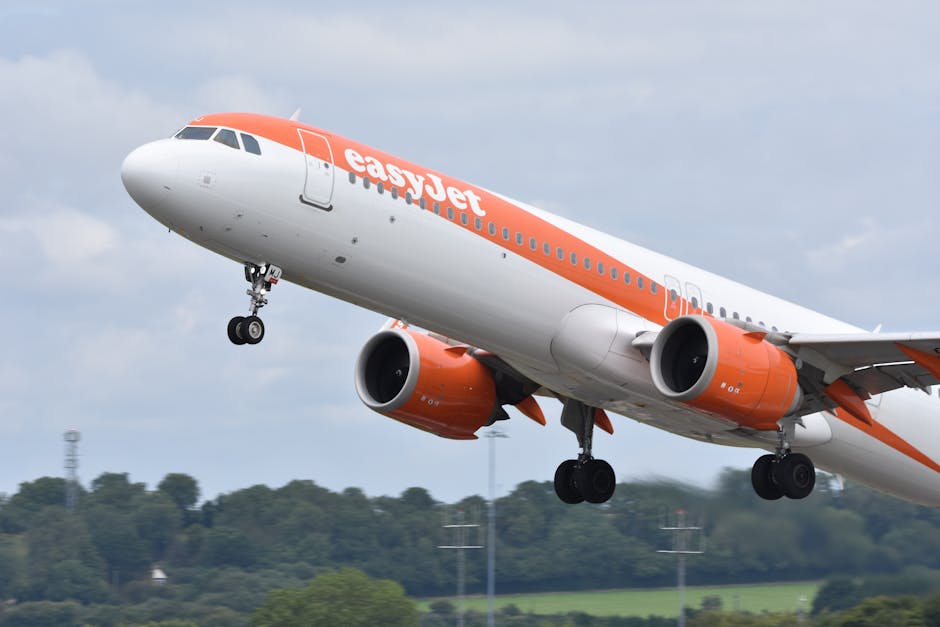
Aggregators are great for finding options, but they aren’t the end of the line. Sometimes, the best deals aren’t on them at all. This is where savvy travelers gain an edge.
-
Why Direct is Sometimes Best
After you find a flight on an aggregator, always, always check the airline’s website directly. Sometimes, the airline offers the same fare or even a slightly cheaper one. They might also have special promotions or better baggage allowances that aggregators don’t show. For instance, British Airways or Virgin Atlantic sometimes have exclusive sales.
Booking directly also simplifies things if you need to make changes or if there are flight disruptions. Dealing with the airline directly is usually far easier than going through a third-party online travel agent. It’s worth the extra minute to check.
-
Setting Up Price Alerts That Work
Use the price alert features on Google Flights or Skyscanner. Set them for specific routes you’re interested in. Don’t just set one; set multiple for different date ranges if you’re flexible. These tools will email you when the price changes. This is passive searching at its best. You don’t need to constantly monitor prices; the tech does it for you.
However, be proactive. Don’t wait forever. If you see a price that looks genuinely good and fits your budget, grab it. Prices can drop, but they can also shoot up without warning. There’s no perfect crystal ball. A good deal now is better than waiting for a potentially non-existent great deal later.
-
The ‘Hidden City’ Trick (Use with Caution)
This is an advanced, controversial tactic. Sometimes, flying to a city beyond your actual destination, with a layover at your desired city, can be cheaper than flying directly to your desired city. For example, a flight London-Paris-Rome might be cheaper than London-Paris.
You book the London-Paris-Rome ticket but get off in Paris, ditching the Paris-Rome leg. This works ONLY if you are flying with carry-on baggage (checked bags will go to the final destination). Do NOT do this with checked luggage. Also, airlines can cancel subsequent legs if you miss one. Use this sparingly, for specific, high-cost direct routes, and understand the risks. It’s not for beginners.
Finding cheap flights from the UK requires patience and strategy, not luck. Stay flexible, use the right tools, and avoid common pitfalls.