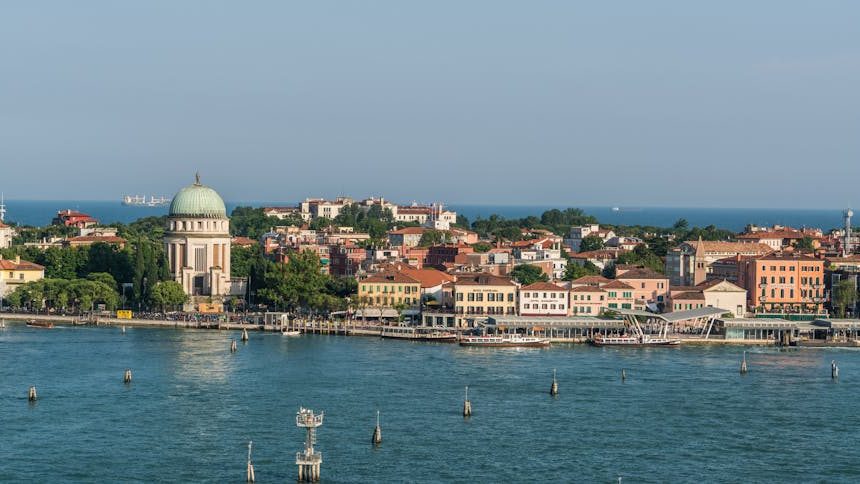
To step off a water taxi and onto the moss-slicked steps of a Venetian landing is to enter a microclimate that demands an immediate recalibration of one’s beauty philosophy. The sensory landscape of Venice is defined by a specific, shimmering quality of light that artists have attempted to capture for centuries. For the traveler who views their surroundings through the lens of aesthetic harmony and skin health, the choice of accommodation in this floating city is not merely a logistical hurdle but a fundamental component of the beauty regimen. The humidity of the lagoon, the alkalinity of the local water, and the heavy velvet textures of historic palazzos all play a role in how one looks and feels after forty-eight hours on the Grand Canal. Selecting the best hotels in Venice requires looking past the gilded mirrors to understand the infrastructure of wellness hidden beneath the Rococo surface.
Venice is a city of extremes. The air is thick with salt and moisture, which can be a boon for dehydrated skin but a disaster for hair texture, leading to frizz and loss of volume. The stone streets, while picturesque, demand a level of physical exertion—climbing hundreds of small bridges—that necessitates world-class recovery facilities. In this analysis, we move beyond the standard tourist recommendations to examine which properties offer the best environments for maintaining a radiant complexion, accessing high-end spa technology, and benefiting from the natural architectural lighting that makes every morning ritual feel like a cinematic event.
The Intersection of Heritage and Hydration: Elite Spa Destinations in Venice
When discussing the best hotels in Venice from a wellness perspective, the conversation inevitably begins with the Aman Venice. Housed in the 16th-century Palazzo Papadopoli, this property operates on a philosophy that treats beauty as an internal and external synchronicity. The spa here is not an afterthought tucked into a basement; it is a sanctuary that utilizes the brand’s proprietary skincare line, which is formulated with sandalwood, jasmine, and amber. These ingredients are chosen specifically for their grounding properties, which counteract the frantic energy of the tourist-heavy San Polo district.
Aman Venice: The Gold Standard for Seclusion
The Aman Venice (approx. €1,800 – €5,500 per night) is unique because it retains the original frescoes by Tiepolo while integrating a minimalist aesthetic that prevents visual clutter. From a beauty standpoint, the high ceilings and massive windows provide an abundance of natural, soft-focus light, ideal for those who document their skincare routines or require precision during makeup application.
- The Signature Treatment: The "Grounding Journey" (€320 for 90 minutes) involves a full-body exfoliation and a wrap using mineral-rich black mud, which is essential for detoxifying the skin after exposure to the city’s vaporetto fumes.
- Pro: Exceptional privacy and bespoke spa treatments that focus on lymphatic drainage to reduce the "Venice bloat" caused by high-sodium Italian cuisine.
- Con: The location in San Polo is quiet, which may feel isolated for those wanting to be in the center of the fashion district near San Marco.
Hotel Danieli: Historical Grandeur and Modern Recovery
Conversely, the Hotel Danieli (approx. €800 – €2,400 per night) offers a different aesthetic profile. Located steps from the Doge’s Palace, it is a masterclass in Venetian Gothic design. While the hotel is historic, its approach to guest comfort includes high-pressure shower systems that are surprisingly effective at rinsing away the mineral deposits often found in older European plumbing. The Danieli Wine Suite also offers vinotherapy-inspired concepts, recognizing the antioxidant properties of grape seeds which are a staple in Mediterranean beauty culture.
- Beauty Spec: The hotel uses high-end Italian toiletries from Acqua di Parma, which feature citrus-heavy notes that are refreshing in the humid lagoon climate.
- Pro: Unrivaled history and proximity to the best shopping; excellent water pressure for hair health.
- Con: The heavy red velvets and dark woods of the older wings can be a challenge for those who prefer a bright, airy environment for their morning preparations.
The humidity of the Venetian lagoon acts as a natural steamer for the pores, but without the right climate control within your hotel suite, it can lead to puffiness and congestion. Choosing a hotel with advanced HVAC systems is a skincare necessity, not a luxury.
Architectural Lighting and the Visual Aesthetic: Best Rooms for Photography and Makeup
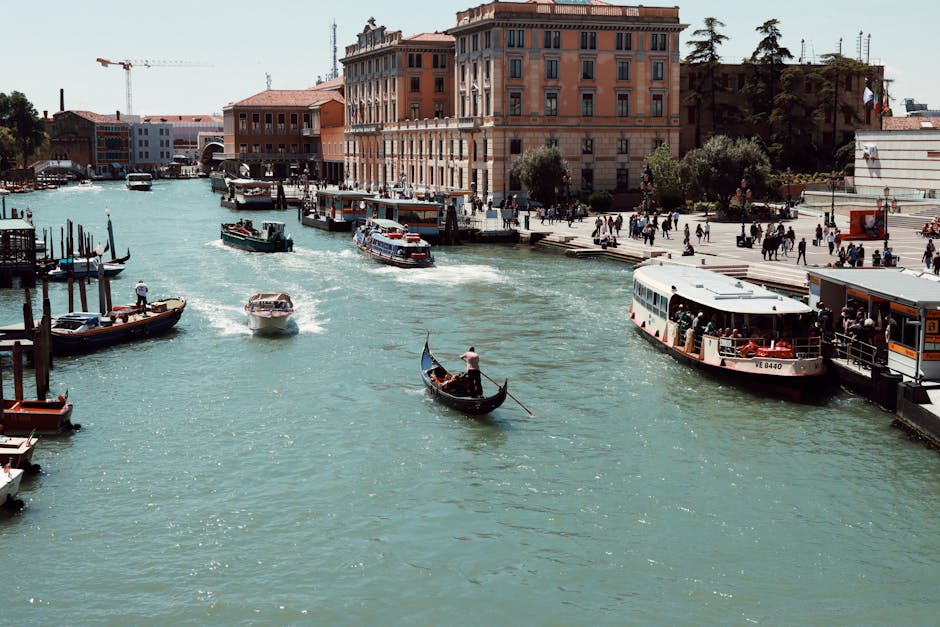
The quality of light in a hotel room is often overlooked by traditional travel guides, yet it is the most critical factor for anyone invested in the application of cosmetics or the capturing of visual content. In Venice, the light reflects off the water and bounces into the rooms, creating a secondary illumination known as riflesso. This light is naturally diffused and blue-toned, which can make the skin look pale or sallow if not balanced by the interior design of the room.
The St. Regis Venice: A Modernist’s Dream
The St. Regis Venice (approx. €1,100 – €3,500 per night) underwent a massive renovation that prioritized a light, neutral palette. The interiors are dominated by creams, pale blues, and soft greys. For a beauty enthusiast, this is the equivalent of a professional studio. The mirrors are backlit with high-CRI (Color Rendering Index) LEDs, ensuring that your foundation match is accurate before you step out into the Italian sun.
- The Vanity Setup: Each suite features a marble-topped vanity with adjustable lighting levels and a 5x magnification mirror.
- Pro: The most modern bathroom vanities in the city with superior lighting and integrated Bluetooth speakers for a curated morning ritual.
- Con: The ultra-modern aesthetic may lack the "Old World" charm some travelers seek in Venice.
The Gritti Palace: The Warmth of Rubelli Silks
The Gritti Palace (approx. €1,200 – €4,000 per night) is the spiritual home of the global elite. The rooms are swathed in Rubelli fabrics, which provide a warm, rose-toned reflection. This "boudoir lighting" is incredibly flattering to the skin, though it requires a more careful hand when applying makeup. The Gritti also houses the Sisley Paris Spa, which is arguably the best place in the city for a Phyto-Aromatic facial.
- Sisley Treatment: The "Sisleÿa Facial" (€210 for 60 minutes) uses botanical extracts to target fine lines, making it a favorite for those attending the Venice Film Festival.
- Pro: Historic atmosphere combined with the highest level of service; the Sisley products are world-class.
- Con: The rooms are smaller and more cluttered than the St. Regis, which can make organizing a large beauty kit difficult.
| Hotel Property | Primary Lighting Type | Best Beauty Feature | Est. Price/Night |
|---|---|---|---|
| St. Regis Venice | Cool/Neutral Modern | Backlit LED Vanities | €1,100 |
| The Gritti Palace | Warm/Golden Heritage | Sisley Paris Spa | €1,200 |
| Cipriani, A Belmond Hotel | Direct Sunlight (Garden) | Olympic-sized Pool (Exercise) | €1,500 |
| Ca’ di Dio | Soft/Diffuse Contemporary | Water Filtration System | €600 |
| Nolinski Venezia | Mood/Atmospheric | Gold-leaf Ionized Pool | €900 |
The Chemistry of Venetian Water: Managing Skin Health in the Lagoon
One of the hidden challenges of Venice is the water chemistry. The municipal water is relatively hard, containing high levels of calcium and magnesium. When these minerals react with traditional soaps, they create a film that can clog pores and leave hair feeling "crunchy." Newer or recently renovated properties have begun to address this by installing sophisticated water softening and filtration systems. Ca’ di Dio, a relatively new entry into the luxury market (approx. €500 – €1,200 per night), was designed by Patricia Urquiola with a focus on sustainable luxury and "Otium"—the Roman concept of leisure and well-being.
Ca’ di Dio: The Wellness Innovator
Located in the Arsenale district, Ca’ di Dio offers a more contemporary take on Venetian beauty. The hotel utilizes natural materials like travertine and wood, which regulate indoor humidity better than the heavy tapestries found elsewhere. Their Pura City Spa focuses on treatments that combat the oxidative stress caused by urban travel and salt air.
- Beauty Spec: The property uses a centralized ion-exchange water softener, which significantly improves the efficacy of shampoos and cleansers.
- Pro: Excellent air and water filtration; less crowded than San Marco, allowing for lower stress levels.
- Con: The walk to the main shopping areas is about 15-20 minutes, though the vaporetto stop is right outside.
Nolinski Venezia: A New Vision of Opulence
The Nolinski Venezia (approx. €900 – €2,800 per night) is another standout for the health-conscious traveler. It features a gold-leaf lined pool that offers a form of chromotherapy, helping to reset the circadian rhythm after a long flight. The focus here is on the "La Colline" Swiss treatment protocols, which are renowned for their anti-aging cellular technology.
- The Pool Experience: The pool water is ionized and kept at a specific temperature to promote circulation without dehydrating the skin.
- Pro: High-tech skincare focus; the bathrooms are designed with deep soaking tubs that are essential for soaking away the lactic acid built up from traversing the city’s many bridges.
- Con: The lighting in the public areas is very dim, which may be disorienting for those who prefer high-visibility environments.
The "Beauty Sleep" Infrastructure: Linens and Air Quality
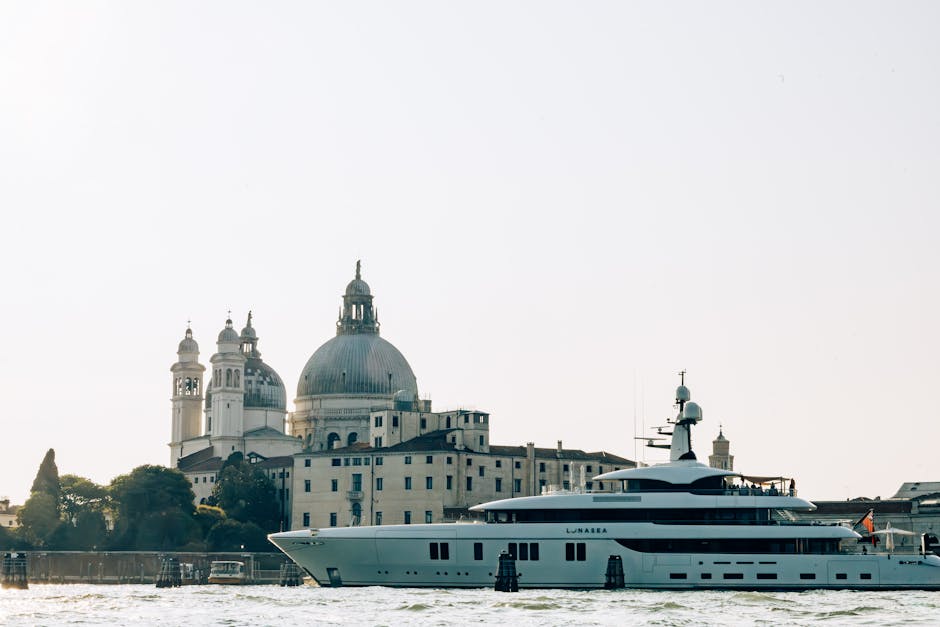
In Venice, the quality of your sleep is directly tied to the quality of your skin’s overnight repair cycle. The city’s humidity can make standard cotton sheets feel damp and heavy. The best hotels in Venice invest in high-thread-count Egyptian cotton or linen-silk blends that allow the skin to breathe. Cipriani, A Belmond Hotel, is legendary for its attention to these details. Located on Giudecca island, it provides a buffer against the city’s denser air.
The Cipriani’s expansive gardens offer a literal "breath of fresh air," allowing guests to escape the concentrated pollution of the vaporetto engines that plague the narrower canals. This extra space and greenery are vital for those who find their skin reacts poorly to the congested atmosphere of central Venice. Furthermore, the hotel provides a pillow menu that includes silk options, which are essential for preventing hair breakage and facial creasing during sleep.
Common Mistakes to Avoid for the Beauty-Conscious Traveler
- Ignoring the HVAC: Many historic hotels have "seasonal" air conditioning, meaning it is turned off in the shoulder months. This can lead to a humid, stagnant room environment that causes morning puffiness. Always confirm that your hotel has individual climate control.
- Over-exfoliating: The salt air in Venice is a natural exfoliant. If you continue with a heavy chemical exfoliation routine (AHAs/BHAs), you may compromise your skin barrier. Switch to hydrating serums while in the city.
- Neglecting Sunscreen: The reflection of UV rays off the canal water means you are getting hit from two angles. A high-SPF, broad-spectrum sunscreen is non-negotiable, even in the narrow, shaded calli.
Strategic Location for the Beauty Obsessed: Proximity to Historic Perfumeries and Boutiques
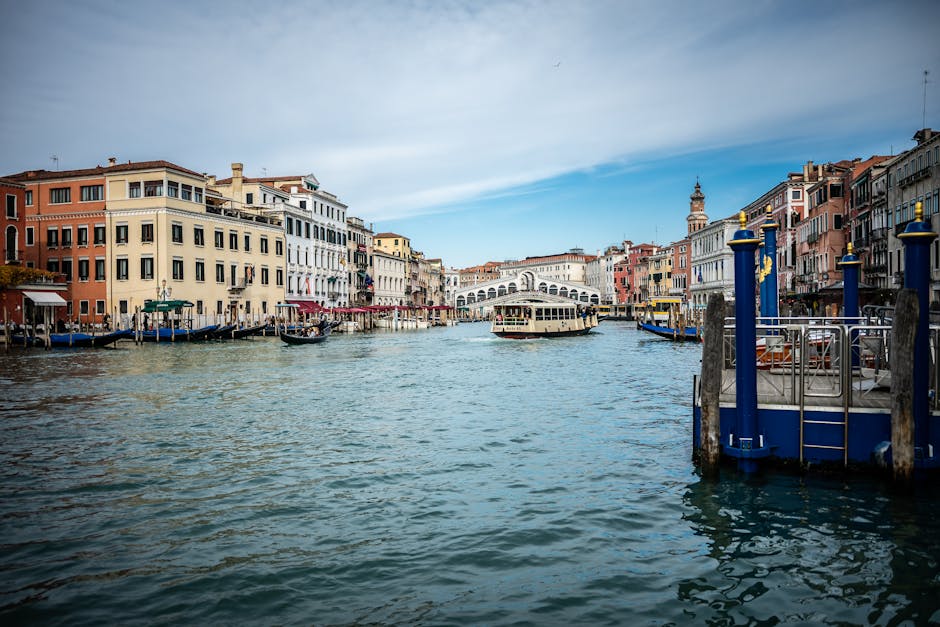
Venice is the historical gateway of the spice and perfume trade. For a beauty-focused traveler, the best hotels in Venice are those that provide easy access to the city’s olfactory treasures. Staying near the Campo San Fantin or the Calle Larga XXII Marzo ensures you are within walking distance of the world’s most prestigious fragrance houses and skincare boutiques.
Baglioni Hotel Luna: The Gateway to Venetian Scent
The Baglioni Hotel Luna (approx. €700 – €1,800 per night) is situated almost directly behind San Marco Square. It is the oldest hotel in Venice, but its primary advantage is its proximity to The Merchant of Venice flagship store. This perfumery is housed in a restored ancient pharmacy and offers a "perfume museum" experience.
- Local Treasure: Look for the "Rococo" Eau de Parfum (€180), which features notes of incense and cacao, reflecting the city’s history as a trade hub.
- Pro: Easy access to the city’s best pharmacies; classic Venetian luxury.
- Con: The immediate area is very crowded during peak hours, which can be overstimulating.
The Merchant of Venice and Local Beauty Traditions
When selecting a hotel, consider its proximity to these specific beauty landmarks:
- The Merchant of Venice (San Fantin): Essential for bespoke fragrance consultations and purchasing Murano glass perfume bottles.
- Santa Maria Novella (San Marco): The legendary Florentine apothecary has a significant presence here, offering rose water and almond balms that are perfect for soothing skin sensitized by the Venetian climate.
- Lush Greenery of the Giardini: For those who need a "green break" to lower systemic inflammation, staying at a hotel with easy vaporetto access to the Biennale gardens is a must.
The Hotel Bauer Palazzo (currently undergoing extensive renovations) has long been the center of the fashion set. However, in its absence, the Palazzo Giovannelli offers a similar strategic advantage. It provides a more local, authentic feel in the Cannaregio district. This neighborhood is home to some of the best local pharmacies that stock hard-to-find European sunscreens and thermal water sprays, such as those from La Roche-Posay or Avène, which are the secret weapons of the well-traveled Venetian. These pharmacies often carry local artisanal soaps made with olive oil and sea salt, which make for superior, skin-friendly souvenirs.
Ultimately, the best hotels in Venice are those that recognize the city is a sensory overload. Whether it is the Aman’s focus on silence and internal peace, the St. Regis’s commitment to perfect lighting, or Ca’ di Dio’s modern approach to water quality, the right choice depends on which aspect of your beauty and wellness routine you are most unwilling to compromise. Venice does not offer a standard stay; it offers a transformation. By choosing a property that aligns with your aesthetic needs, you ensure that the transformation is one that leaves you looking as refreshed as the morning light on the lagoon.