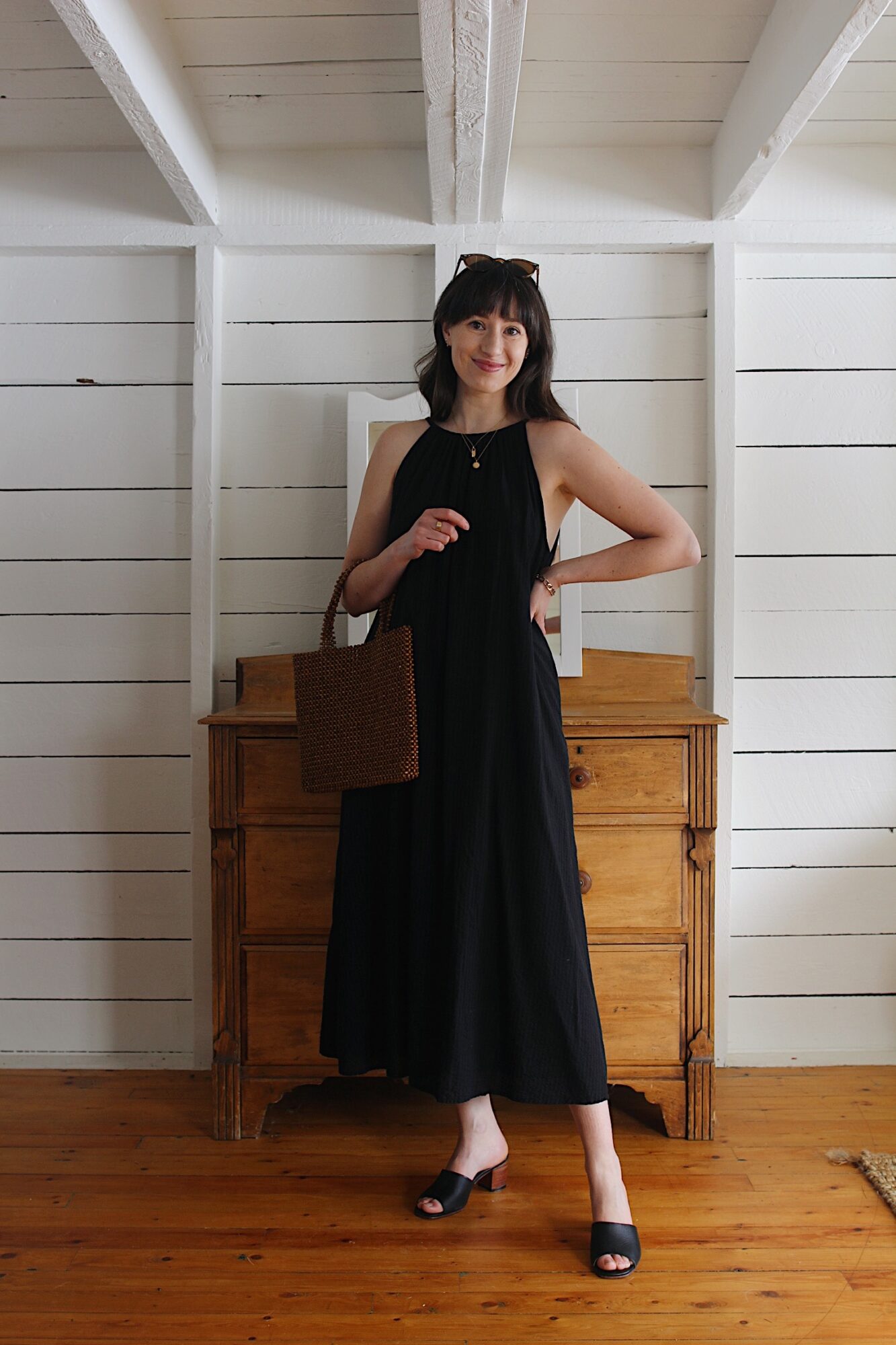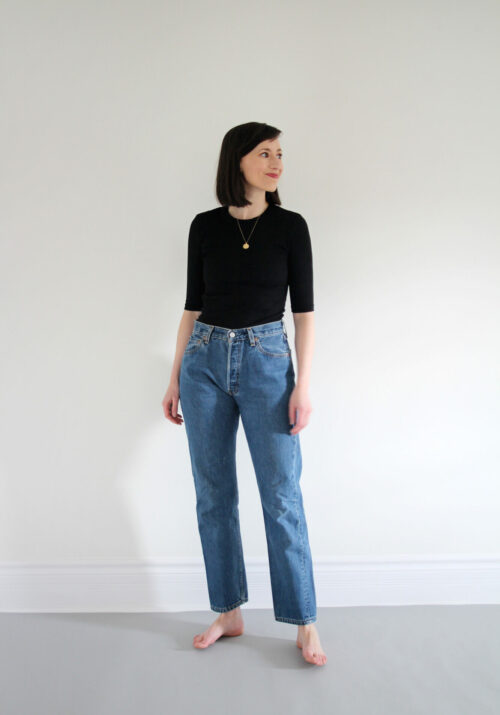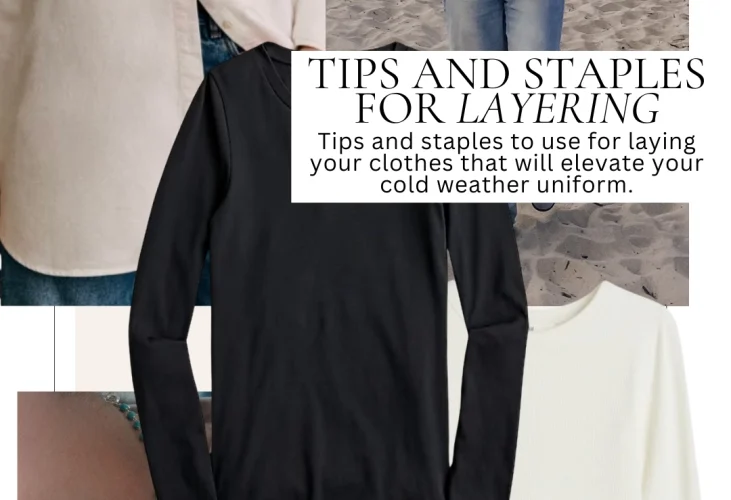
Practical Layering Tips for Everyday Wear: The Anatomy of a Layered Outfit (The Rule of Three)
When it comes to layering for everyday wear, the golden rule is simple: stick to three layers. This keeps your outfit balanced and makes dressing for transitional weather or winter workwear outfits a breeze. Here’s the breakdown of the base layer essentials, mid-layer warmth, and outer shield that you’ll rely on.
The Foundation: Base Layer
Your base layer is all about moisture management and comfort against your skin—think breathable fabrics that feel smooth and light. This layer sets the tone for your entire look.
- Function: Keeps you dry by wicking moisture away; feels soft on the skin.
- Key Pieces: Fitted tees, silk camisoles, lightweight merino wool tops, or sleek turtlenecks.
- Tip: Choose slim-fit options to avoid bunching or bulkiness under your mid-layer. Tight yet comfortable is the way to go here.
The Insulator: Mid-Layer
This is your heat trap and texture add-on. The mid-layer adds style and warmth without overpowering your silhouette.
- Function: Traps heat while adding dimension and interest through texture.
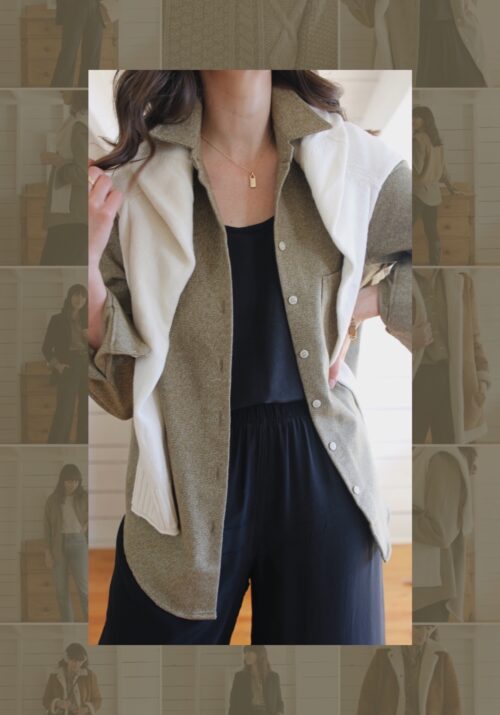
- Key Pieces: Cardigans (bonus points for oversized cardigan styling), denim shirts, flannel button-downs, lightweight cashmere sweaters, or vests.
- Tip: Think of this as your “bridge” piece. It should still look good on its own if you shed the outer layer during the day.
The Shield: Outer Layer
Your outer layer is the statement-maker and protector from wind, rain, or chill.
- Function: Defends against the elements while giving your silhouette definition.
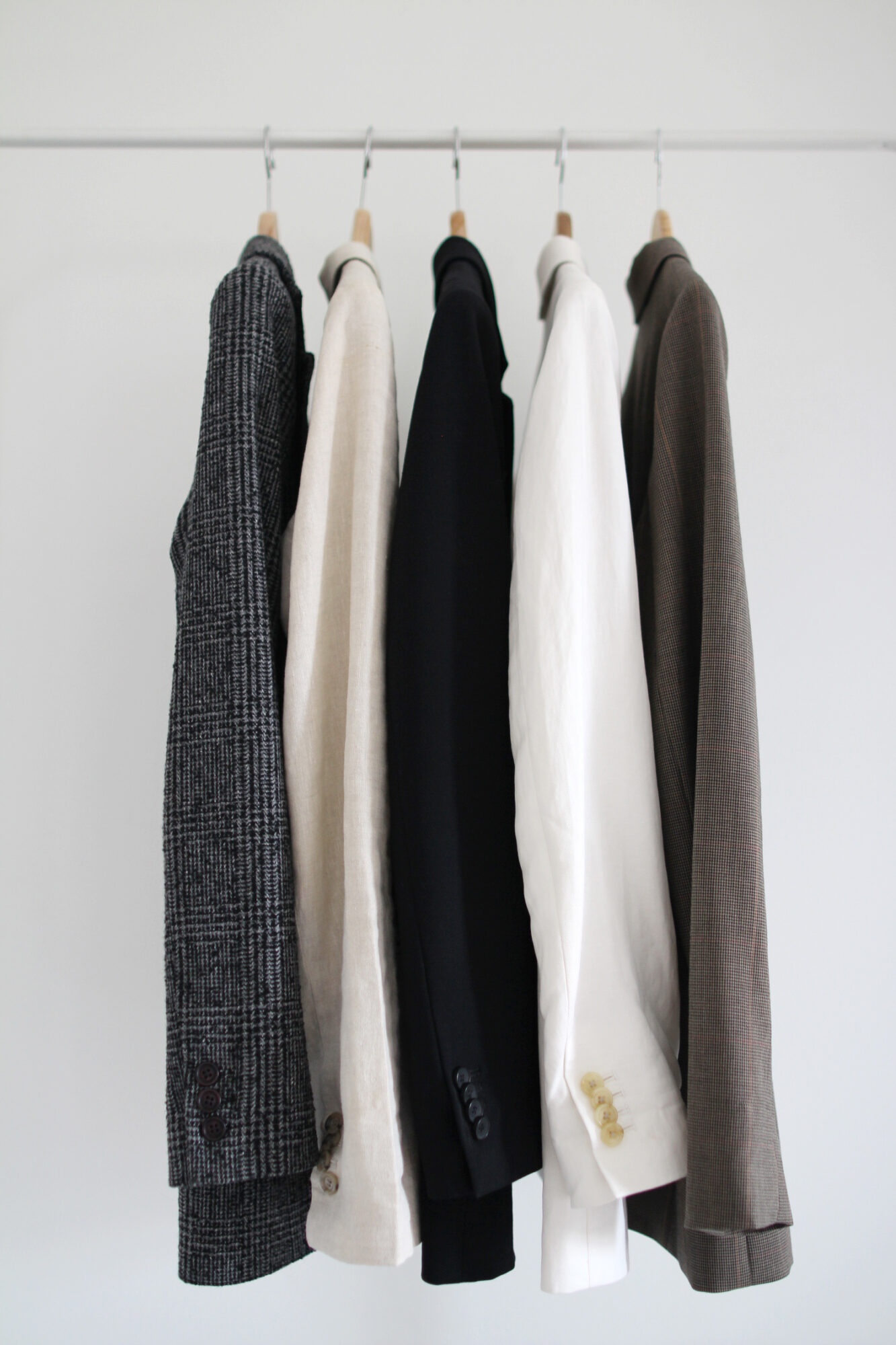
- Key Pieces: Trench coats, leather jackets, blazers, or sturdy wool overcoats.
- Tip: Make sure armholes are roomy enough to comfortably accommodate your inner layers without restricting movement—this keeps your layering smart and practical.
By mastering these three layers—foundation, insulator, shield—you’re creating outfits that work for transitional weather outfits, winter commutes, and smart casual layering with ease. Stick to form-fitting base layers, textured but comfortable mid-layers, and protective but stylish outerwear. This is the practical layering system that never lets you down.
Visual Mechanics: How to Layer Without Looking Bulky
When it comes to practical layering tips for everyday wear, mastering the visual mechanics of layering is key to avoid bulkiness and maintain a sleek silhouette.
Playing with Proportions: Length & Hemlines
- The “Waterfall Effect”: Wear a longer shirt or blouse under a shorter sweater. This breaks up the torso visually and creates a flattering vertical line, preventing the outfit from looking heavy or shapeless.
- Cropped Over Long: Pair cropped jackets or cardigans with maxi dresses or long tunics to highlight the waistline and balance proportions. This combo adds shape and keeps your look modern.
Texture Mixing Mastery
Contrasting textures create interest and help avoid a flat, bulky appearance. For example:
- Pair smooth fabrics like silk or cotton with rougher ones such as wool, denim, or leather.
- Try a silk blouse under a chunky cable-knit sweater topped with a structured wool coat for depth and style.
This approach not only adds dimension but also makes your layers feel intentional and polished.
The “Sandwich” Color Method
Balancing your color palette is a clever trick to keep layers visually appealing:
- Match the inner layer’s color to your outer layer or shoes to anchor the look.
- Keep the middle layer in a contrasting or distinct color to add interest.
Using a monochrome or tonal palette is another excellent strategy—it elongates the figure and simplifies layering without losing style.
For tips on balancing layers and playing with textures, you might find helpful ideas in the article on classic comfort with colorful layering.
By carefully controlling length, texture, and color, you can master layering that’s perfect for transitional weather outfits without feeling bulky or uncomfortable.
Scenario-Based Layering Strategies
The Corporate/Office Commuter
For a polished look that stays comfortable through varying office temperatures, start with a crisp collared shirt paired with a V-neck sweater. Top it off with a tailored blazer for sharpness and warmth. If overheating is a concern during the day, consider a “dickie” or sleeveless collar underneath to keep the neckline looking crisp without adding bulk.
The Weekend Casual (Errands & Coffee)
Comfort is key for weekend wear, and layering here should support easy movement. A hoodie under a denim jacket offers warmth and a laid-back vibe, which you can elevate by throwing on a structured camel coat for contrast. This high-low mix keeps the outfit stylish and practical.
Transitional Weather (Spring/Autumn)
Layering for transitional seasons demands adaptability. Start with a graphic tee, add an open flannel shirt for texture and warmth, then finish with a lightweight trench coat for protection against spring showers or fall breeze. Scarves become essential here—they work as a removable fourth layer that adds style without bulk. For a refined look that’s comfortable and practical, this combo balances both warmth and ease perfectly.
Accessories as Functional Layers
Accessories do more than just finish off an outfit—they’re key functional layers that elevate your look while keeping you comfortable.
Scarves and Shawls:
When draping scarves or shawls, aim to create vertical lines rather than adding bulk around your neck. Wrap loosely or let them hang long to elongate your silhouette, which works great for transitional weather outfits. This approach keeps your neck warm without feeling crowded.
Belts:
A belt is the secret weapon for layering. Use it to belt a cardigan or an oversized blazer to reclaim your waistline and add shape to bulky layers. This simple trick defines your figure and keeps your outfit from looking shapeless, especially when working with oversize layers like the ones seen in stylish oversized cardigan styling.
Tights and Socks:
Don’t overlook subtle layering on your lower body. Pairing tights with socks that peek out over boots adds warmth and dimension without bulk, ideal for colder days or winter workwear outfits. These small layers ensure comfort and style, balancing your overall layered look.
For effortless shaping and layering inspiration, checking out the Sezane Gaspard cardigan review can offer fresh ideas on layering with accessories to define your waist and style.
Common Layering Mistakes to Avoid
When it comes to practical layering tips for everyday wear, avoiding common mistakes can make all the difference.
- Too Many Thick Fabrics: Stacking two heavyweight knits or bulky layers can quickly add unnecessary bulk and make you feel uncomfortable. Instead, balance heavier pieces with lighter, breathable fabrics like merino wool basics or slim-fit outerwear to maintain warmth without the bulk.
- Restricting Movement: Always do the “Can I Hug Someone?” test. If your outfit feels tight or limits arm movement, it’s a red flag. Armholes on outer layers should be wide enough to accommodate mid-layers without restricting comfort.
- Ignoring the Base: Wearing rough fabrics directly against your skin ruins the wearing experience and can cause irritation. Choose soft base layers like silk camisoles, lightweight merino wool, or fitted tees for moisture management and skin feel. For more on smooth textures to layer under knits and coats, check out my favorite skinny jeans styles that complement layered looks effortlessly.
By steering clear of these pitfalls, you ensure your layered outfits stay stylish, comfortable, and functional throughout the day.