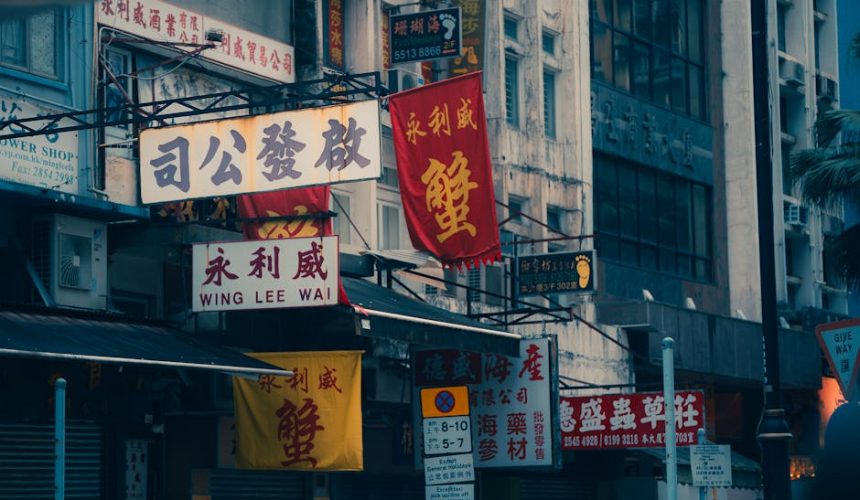
Are you searching for Hong Kong hotel deals because you want the cheapest room available — or because you want real value for what you spend? Those are different searches with different answers.
Hong Kong hotels are listed, discounted, flash-saled, and member-priced constantly. Actual room rates still rank among the highest in Asia. Knowing what drives Hong Kong pricing — and what posted deals actually represent — matters more than refreshing booking sites until a number looks right.
This breakdown covers real hotel options across price tiers, the districts that affect whether your stay is convenient or overpriced, and the booking patterns that typically result in genuine savings.
Hong Kong Hotel Pricing: What the Numbers Actually Mean
Hotel pricing in Hong Kong follows patterns worth understanding before you read any promotional rate as a real discount.
Hong Kong uses a rack rate system where the listed original price is often inflated specifically to make the discounted rate look significant. A room listed at HKD 3,800 ($485 USD) with a 30% discount may routinely sell at HKD 2,700 ($345 USD) — meaning the so-called deal is simply the normal going rate.
| Hotel Tier | Typical Nightly Rate (USD) | What You Get | Notable Examples |
|---|---|---|---|
| Luxury (5-star) | $450–$900+ | Full spa access, harbor views, concierge | The Peninsula Hong Kong, Rosewood Hong Kong |
| Upper-mid (4-star) | $200–$400 | Spa or pool, central location, decent room size | The Mira Hong Kong, Hotel ICON, W Hong Kong |
| Mid-range (3-star) | $120–$200 | Clean, basic amenities, location-dependent value | Cordis Hong Kong, Fleming Hotel Wanchai |
| Budget (2-star) | $80–$130 | Small rooms, limited amenities, MTR access varies | ibis Hong Kong Central & Sheung Wan, Wharney Guang Dong |
The detail most price-comparison tools omit: room size varies dramatically within the same price tier. Hong Kong hotel rooms average around 20–25 square meters at mid-range. At budget properties, 14–17 square meters is common. These aren’t typos. It’s just Hong Kong.
Why Member Rates Usually Aren’t Special
Most major booking platforms and hotel loyalty programs advertise member rates as exclusive discounts of 10–15%. In Hong Kong’s market, these typically match or only marginally beat the non-member rate after fees are included. Hotel direct-booking rates occasionally outperform OTA (online travel agency) rates by a meaningful margin — generally 8–12% — but this generally requires booking through the hotel’s own website and, in some cases, calling the reservations desk directly to request their best available rate.
The Shoulder Season Pricing Window
Hong Kong has two genuine low-demand windows: late January to mid-March (post-Lunar New Year) and July to August (extreme heat and typhoon season). During these windows, 4-star hotels that typically run $280–$350 per night have historically dropped to $180–$220. The catch: July–August weather is genuinely difficult — high humidity, heat, and periodic typhoon disruptions — so the lower price reflects real conditions, not an arbitrary discount.
The Districts That Determine Cost, Convenience, and Your Beauty Itinerary

Hong Kong is compact in area but moves fast. Where you stay dictates how much time and money you spend getting around — and for travelers visiting partly for beauty shopping or spa treatments, district location matters more than most travel coverage acknowledges.
Tsim Sha Tsui (TST) on the Kowloon side is typically where beauty-focused travelers get the most value from a hotel location. It places you within walking distance of Harbour City — which houses Aesop, La Mer, SK-II, and dozens of Korean beauty counters — directly on the MTR for Causeway Bay access, and adjacent to Nathan Road where local pharmacies and beauty retailers like Sasa and Bonjour cluster densely. Mid-range hotels here, including Hotel ICON (starting around $180–$280/night) and The Mira Hong Kong (typically $220–$360/night), offer location value that’s hard to match elsewhere in the city at those price points.
Causeway Bay on Hong Kong Island is the alternative if your priority is direct access to Japanese and Korean beauty retailers. Times Square mall, SOGO department store, and the concentration of standalone beauty shops along Percival Street make it the most efficient base for shopping-heavy itineraries. Hotels here include the W Hong Kong (typically $300–$420/night) and more accessible mid-range options like the Metropark Hotel Causeway Bay ($130–$190/night).
Locations to Avoid for Beauty-Focused Travel
Wan Chai and Admiralty are popular mid-range hotel areas, but both require MTR transfers to reach the main beauty retail zones. That’s not a dealbreaker, but it adds friction to a shopping-heavy trip. Lantau Island hotels near the airport are strictly for overnight transit stays — useful for early departures, meaningless for anything else. Central is strong for high-end beauty counters at Lane Crawford and IFC Mall, but hotel prices run steep there without offering meaningfully better access than TST.
The wrong district can easily cost you two hours of transit daily across a four-day stay. That’s equivalent to most of a full beauty shopping day, gone to the MTR.
Hong Kong Hotels With Spa Facilities That Actually Justify the Rate
Most 4-star and above Hong Kong hotels list a spa in their amenities. Many of these are small treatment rooms with a menu of three services. That’s not what you’re looking for if spa access factors into your decision to book.
The properties where spa facilities genuinely add value to the nightly rate:
- The Peninsula Hong Kong (~$550–$850/night): The spa operates at a level that warrants the price for spa-focused travelers. The range of facial treatments, body therapies, and pool facilities make this one of the few cases where paying luxury rates returns real wellness value. Booking spa treatments here without staying — if they allow it — typically costs HKD 1,200–2,500 per session ($155–$320 USD).
- Rosewood Hong Kong (~$600–$900/night): Sense, A Rosewood Spa is one of the more complete wellness facilities in the city. The vitality pool is uncommon in Hong Kong at any price point. Higher floors have harbor views that are genuinely what the premium suggests.
- The Mira Hong Kong (~$220–$360/night): The Miravana spa offers a consistent mid-tier option. Treatment quality holds up, the TST location is convenient, and the rate doesn’t require a luxury-tier commitment. Best choice for travelers who want real spa access without Peninsula pricing.
- Hotel ICON (~$180–$280/night): The smallest spa offering of this group, but the rooftop pool and Above & Beyond restaurant add amenity value that compensates at this price point for travelers who aren’t prioritizing treatments specifically.
Clear verdict: for beauty-focused travelers who want genuine spa access and a strong location, The Mira Hong Kong is the most defensible booking in the mid-range tier. Rosewood and The Peninsula deliver more — but at 2–3x the cost.
How to Find Genuine Discounts on Hong Kong Hotels
These methods have typically produced the most consistent real savings, as opposed to manufactured discount rates:
- Book direct with a price-match claim. Many Hong Kong hotels offer a best-rate guarantee on their own site. Book direct, then screenshot a lower OTA rate and submit the claim. This is more effective at 4-star properties than budget hotels.
- Book in HKD, not your home currency. When booking through international platforms, always select HKD. Dynamic currency conversion typically adds 3–7% to the actual rate.
- Target the 21-day advance window. In most Hong Kong hotels, steeper advance-booking discounts tend to cluster around the 21-day mark — close enough that the hotel wants to secure the booking, far enough that cancellation policies apply. Not a hard rule, but a pattern worth testing against 60- and 90-day advance rates.
- Check spa-credit packages before dismissing luxury tiers. Several TST and Causeway Bay properties bundle spa credits into package rates. A $280/night room with a HKD 500 ($64 USD) spa credit is often more cost-effective than a $240/night room without one — particularly if you planned to book treatments anyway.
- Book Sunday–Thursday at business-district hotels. Hong Kong business travel drives significant weekend demand in areas near Central and Admiralty. Weeknight rooms at these properties often price lower than weekend rates — the opposite pattern from leisure destinations.
The Budget Option Is Simpler Than It Sounds
If your budget sits under $130/night, ibis Hong Kong Central & Sheung Wan is probably the most defensible choice. Rooms run 15–18 square meters — small, but the MTR access is direct and the location cuts transit time to Causeway Bay or TST to under 20 minutes. Don’t chase charming boutique options in this price range. Most sit in less convenient districts and the rooms are no larger.
Timing Questions: When to Book, When to Wait
Does waiting for last-minute rates work in Hong Kong?
Generally, no. Hong Kong hotel occupancy rates typically run 80–90% in high season (October–December and March–May), and last-minute availability at mid-range and above properties is often limited to less desirable room types or upper-floor categories with inflated premiums. Same-day booking apps like HotelTonight occasionally surface genuine discounts on high-end properties needing to fill inventory — The Peninsula and Rosewood have appeared at reduced rates — but this isn’t a reliable strategy to plan around.
Is Lunar New Year a good time to find deals?
No. Lunar New Year (typically late January to mid-February) is one of the highest-demand periods of the year. Prices spike, not drop. The week immediately after Lunar New Year — when the holiday travel rush clears and before normal business travel resumes — is when rates tend to soften. That post-holiday window of roughly 7–10 days has historically produced some of the lowest mid-range rates of the year.
Are beauty-focused hotel packages worth booking?
Occasionally. Some Hong Kong hotels — The Mira and W Hong Kong in particular — offer seasonal packages bundling room nights with spa treatments, Kérastase product sets, or La Mer skincare gifts. These packages typically offer 15–25% savings over the combined cost of booking each component separately. Worth checking when you’re visiting specifically for beauty retail or spa access; less relevant for general tourism.
The Booking Mistakes That Cost Hong Kong Travelers Most
Booking a harbor-view room without verifying the floor. In Hong Kong, harbor view can mean an unobstructed panorama from the 30th floor or a partial glimpse between buildings from the 8th. Ask the hotel directly which floor range the room type occupies before paying a harbor-view premium, which typically adds $50–$150/night to the base rate. The specification matters enormously here.
Ignoring the MTR map when comparing locations. A hotel that looks close on a static map may require two MTR transfers to reach Causeway Bay or TST. Hong Kong’s MTR is efficient, but transfers add 15–25 minutes per leg. Two transfers to your primary shopping area twice daily compounds across a multi-day stay into a meaningful time cost.
Booking the cheapest rate category without checking square footage. Hong Kong’s entry room categories at mid-range hotels are sometimes listed at a competitive price, but the room itself may be under 16 square meters. At that size, two travelers with standard luggage will find the space genuinely difficult to function in. The next category up — often an additional $30–$50/night — typically adds 6–8 square meters. At this scale, that difference is significant.
Missing the free cancellation window during typhoon season. Many Hong Kong hotels offer non-refundable rates at a 10–15% discount. Given Hong Kong’s weather volatility in summer — typhoon season runs June through October — booking non-refundable during this window is a risk most travelers shouldn’t accept for a discount under 20%.
For a beauty-focused trip to Hong Kong, the sharpest overall value is typically a mid-range TST property like Hotel ICON or The Mira Hong Kong, booked direct in HKD, at least three weeks out, during the post-Lunar New Year window or the spring shoulder season. That combination tends to return a better rate and more useful location than any flash sale on a budget property in a less convenient district.