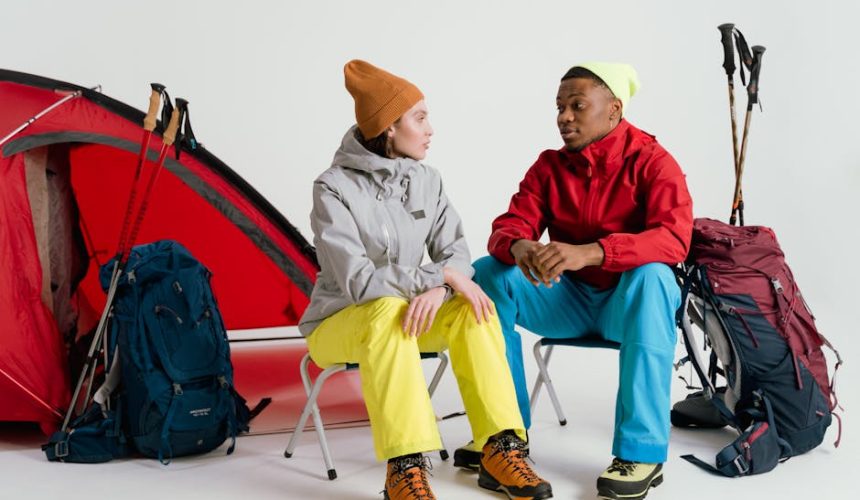
Despite billions spent on outdoor gear annually, a surprising 30% of campers abandon a trip early due to equipment failure. This isn’t just an inconvenience; it can be a safety concern. Choosing the right brands means investing in gear that performs when it counts, enhancing your experience rather than detracting from it. We’ve sifted through countless options to highlight the manufacturers consistently delivering quality, durability, and innovation. These are the brands outdoor enthusiasts trust, trip after trip.
Why Quality Gear Matters More Than You Think
Camping is an escape, a chance to reconnect with nature. But a failed tent zipper or a leaking sleeping pad can quickly turn a peaceful retreat into a miserable ordeal. Your gear forms the backbone of your outdoor experience. It’s not just about comfort; it’s about safety, resilience, and confidence.
Poorly made equipment often fails in critical conditions. A cheap rainfly might tear in a gust of wind, leaving you exposed. A low-quality backpack can cause debilitating shoulder pain, forcing you to cut your hike short. These failures aren’t just inconvenient; they can expose you to hypothermia, dehydration, or simply immense frustration. Investing in quality gear isn’t a luxury; it’s a fundamental part of planning a successful and safe outdoor adventure. It reduces waste, saves money in the long run, and ensures your focus remains on the beauty around you, not on battling your equipment.
The Cost of Cheap Equipment
Many novice campers make the mistake of buying the cheapest available gear. They see a tent for $50 and think it’s a bargain compared to one for $300. The reality is that the $50 tent often lasts one or two trips before a seam rips, a pole snaps, or the waterproofing fails. You then have to buy another one, and another, quickly surpassing the cost of a single, well-made tent. This cycle of replacement is both expensive and wasteful. Quality gear, while a higher initial investment, offers a significantly lower cost per use over its lifespan. Brands known for durability provide products that stand up to years of abuse, often backed by robust warranties.
Safety and Comfort on the Trail
Beyond the financial aspect, quality gear directly impacts your safety and comfort. A reliable sleeping bag with an accurate temperature rating can prevent hypothermia on a cold night. A properly designed backpack distributes weight effectively, preventing injury and fatigue on long treks. Waterproof jackets from reputable brands use advanced membranes, keeping you dry in downpours without sacrificing breathability. These features are not merely marketing jargon; they are critical elements that distinguish dependable equipment from unreliable imitations. When you’re miles from civilization, your gear is your lifeline. Trusting it means trusting your safety.
How to Evaluate a Camping Gear Brand
Choosing a brand isn’t just about picking a name off a shelf. It requires understanding what makes a company reliable. Look beyond flashy marketing. Focus on their track record, their commitment to materials, and their support for customers. A brand’s reputation is built on consistent performance and genuine customer satisfaction, not just initial sales.
Consider how long a brand has been in business and what kind of feedback it consistently receives. Do they specialize in a particular type of gear, or do they offer a broad range of products? Sometimes, brands that focus on a niche excel more. Other times, larger brands have the R&D budget to innovate across categories. Research their manufacturing practices. Do they prioritize sustainability? Are their products repairable? These factors speak volumes about their commitment to quality and their customers.
What to Look for in Materials and Construction
The foundation of good gear lies in its materials and how it’s built. For tents, look for ripstop nylon or polyester fabrics, high denier counts for floor materials (e.g., 70D+), and robust aluminum poles (like DAC Featherlite or Easton). Sleeping bags should specify fill power for down (650FP and up for good insulation) or quality synthetic fills (like Primaloft). Backpacks need strong nylon or Cordura fabrics, reinforced stitching, and YKK zippers. Pay attention to details like taped seams on rain gear, durable water repellent (DWR) coatings, and robust buckles. These aren’t just buzzwords; they are indicators of a product designed to endure harsh conditions.
Understanding Warranty and Customer Support
A strong warranty is a clear sign that a brand stands behind its products. Brands like Patagonia and Osprey offer exceptional lifetime guarantees on their gear, covering defects in materials and workmanship. This commitment means they expect their products to last. Good customer support also includes readily available spare parts, repair services, and knowledgeable staff to answer questions. Before purchasing, check a brand’s warranty policy and read reviews about their customer service experience. A company that prioritizes post-purchase support is generally one that cares about the longevity of its products and the satisfaction of its users.
Top Brands for Shelter: Tents and Sleeping Systems
Your shelter is your primary protection from the elements. A good tent and sleeping system ensure a restorative night’s sleep, crucial for enjoying your adventure. Here’s how leading brands differentiate themselves:
| Brand | Key Feature | Price Range (Tent) | Best For |
|---|---|---|---|
| Big Agnes | Integrated sleeping systems, spacious designs | $350 – $600 | Comfort-focused backpackers, car campers |
| Nemo Equipment | Innovative designs, livability, lightweight | $400 – $700 | Ultralight backpackers, design enthusiasts |
| MSR | Robustness, weather resistance, technical features | $380 – $650 | Mountaineering, harsh conditions, durability |
| Therm-a-Rest | Industry-leading sleeping pads, lightweight bags | N/A (pads $100-$250) | Backpacking comfort, thermal efficiency |
Big Agnes: Comfort-Focused Designs
Big Agnes excels at integrating your sleeping system into your tent. Their tents, like the Copper Spur HV UL2, are renowned for maximizing interior space and featuring innovative designs like media pockets and multiple vestibules. They also offer sleeping bags with pad sleeves, like the Sidewinder Camp series, which keep you securely on your sleeping pad all night. This integrated approach solves a common camping problem: sliding off your pad. Their focus is on making the outdoor sleeping experience as comfortable as possible, appealing to backpackers who value a good night’s rest as much as low weight.
Nemo Equipment: Innovation and Livability
Nemo Equipment pushes boundaries with creative designs that enhance the user experience. Their tents, such as the Nemo Hornet Elite 2P, are incredibly lightweight while still offering surprising interior volume and smart features like their unique strut vents. They also produce some of the most comfortable and compact sleeping pads and pillows, like the Nemo Fillo Pillow. Nemo’s philosophy centers around thoughtful innovation, addressing common pain points with elegant solutions. They cater to hikers and campers who appreciate clever design and a high degree of livability in their minimalist setups.
MSR: Robustness for Tough Conditions
Mountain Safety Research (MSR) has built a reputation on robust, reliable gear for challenging environments. Their tents, including the iconic MSR Hubba Hubba NX 2, are known for their strong poles, excellent weather resistance, and ease of setup. MSR focuses on durability and performance under pressure, making their products a favorite among mountaineers and backpackers who frequently encounter harsh weather. While not always the lightest, MSR gear provides unwavering confidence when conditions turn south. Their commitment to engineering means their shelters can withstand severe winds and heavy rain, protecting you when it matters most.
Best Backpacking Brands for Carrying Your Load
Choosing the right backpack is arguably the most critical decision for any multi-day trip. A poorly fitting pack can ruin your adventure with discomfort and pain. Osprey and Deuter consistently stand out as the top choices for their ergonomic design, durability, and fit customization. These brands understand that a backpack is not just a container; it’s an extension of your body, designed to carry weight efficiently and comfortably over long distances.
Both companies have decades of experience refining their suspension systems and harnessing innovative materials. They offer extensive size ranges and adjustable components to ensure a personalized fit. This attention to detail is what separates them from generic brands that offer a one-size-fits-all approach, which rarely works in practice for serious trekkers. A good backpack distributes weight evenly, allowing for ventilation and reducing pressure points, making long days on the trail significantly more manageable.
Osprey: Ergonomics and Fit
Osprey is synonymous with superior fit and comfort. Their Anti-Gravity (AG) suspension system, found in packs like the Osprey Atmos AG 65 (men’s) and Aura AG 65 (women’s), provides an unparalleled ventilated, body-hugging carry. The trampoline-style mesh back panel allows air to circulate, preventing sweat buildup, while the seamless hip belt and harness wrap around your body for exceptional load transfer. Osprey offers a wide range of pack sizes and customizable adjustments, including torso length and hip belt size, ensuring almost anyone can find a perfectly fitting pack. Their All Mighty Guarantee, a lifetime warranty, underscores their confidence in their products’ longevity.
Deuter: Durability and Support
Deuter, a German brand with over a century of experience, is known for its rugged durability and excellent load-carrying capabilities. Their Aircontact system, featured in packs like the Deuter Aircontact Lite 65+10, provides stable and comfortable support for heavy loads, making it ideal for longer expeditions. Deuter packs often feel more robust and are built to withstand years of hard use on challenging trails. While they might sometimes be slightly heavier than some ultralight options, the trade-off is superior durability and a supportive carry that doesn’t falter under stress. Their commitment to sustainable practices and rigorous testing also adds to their appeal.
Essential Cooking and Camp Kitchen Systems
For efficient and enjoyable camp cooking, focus on integrated systems. Brands like Jetboil and BioLite have revolutionized portable stoves, offering compact, fuel-efficient solutions that make preparing meals outdoors simple and quick.
Q&A: Common Questions About Gear Longevity
Understanding the lifespan of your gear and how to care for it is crucial for maximizing your investment. Proper maintenance not only extends the life of your equipment but also ensures it performs reliably when you need it most. Many gear failures stem from neglect rather than inherent flaws in the product itself. Taking a proactive approach to care can save you money and prevent frustration on future trips.
How long should a good tent last?
A high-quality backpacking tent, properly cared for, should last 8-15 years, or even longer with occasional component replacement. Factors like UV exposure, how often it’s packed wet, and general abuse significantly impact this. Car camping tents, which often use heavier materials and face less rigorous treatment, can last 10-20 years. Key wear points are zippers, floor coatings, and seam tape. Replacements and repairs can extend a tent’s life substantially.
Can I repair my own gear, or should I send it in?
Many minor gear repairs are simple DIY tasks. Torn tent mesh, small holes in sleeping pads, or a broken buckle can often be fixed with patch kits, seam sealer, or readily available replacement parts. Brands like Gear Aid offer excellent repair solutions. For more complex issues, like major zipper replacements or structural damage to a backpack, sending it to the manufacturer or a specialized outdoor gear repair shop is usually the best option. Always check your warranty first, as some repairs might be covered.
What’s the best way to store my camping equipment off-season?
Proper storage is vital for longevity. Always ensure all gear is thoroughly clean and dry before storing. Tents should be loosely folded or stuffed into a larger mesh bag, not tightly compressed, to prevent fabric and pole shock-cord fatigue. Sleeping bags (especially down) should be stored uncompressed in a large, breathable storage sack, not their stuff sacks, to maintain loft. Store gear in a cool, dry place away from direct sunlight and pests. This prevents mildew, material degradation, and keeps your equipment ready for your next adventure.
Apparel and Accessories: Smart Choices for Comfort
Layering correctly is the most effective strategy for managing comfort in varying outdoor conditions. Technical fabrics from specialized brands make a significant difference. Choosing the right base, mid, and outer layers can prevent overheating, chilling, and discomfort, ensuring you stay focused on the trail. Accessories like appropriate footwear and headwear further enhance overall outdoor enjoyment and safety. Think of your clothing as another system, just like your sleep or cooking setup.
Layering Basics: Patagonia and Arc’teryx
For high-performance outdoor apparel, Patagonia and Arc’teryx are industry leaders. Patagonia excels in sustainable practices and producing versatile pieces like the Nano Puff jacket, an excellent synthetic mid-layer, or their Capilene baselayers. Arc’teryx is renowned for its minimalist design, exceptional craftsmanship, and advanced material technology, often seen in their high-end shell jackets and insulated pieces like the Atom LT hoody. Both brands offer a range of products that prioritize breathability, warmth-to-weight ratio, and durability, making them ideal for a dynamic layering system suitable for various climates and activities.
Footwear Essentials: Merrell and Salomon
Your feet are your foundation on any trek, so reliable footwear is non-negotiable. Merrell is a go-to for comfortable, supportive hiking boots and shoes, with models like the Merrell Moab 3 being a perennial favorite for day hikes and light backpacking due to its out-of-the-box comfort and grippy outsole. For more technical trails and fast-and-light adventures, Salomon offers exceptional stability and grip. Their Salomon X Ultra 4 GTX series provides robust support and reliable Gore-Tex waterproofing in a nimble, athletic package. Both brands focus on specific sole technologies and ergonomic designs to ensure traction, protection, and comfort mile after mile.
Investing in quality gear from a reputable brand ensures your outdoor experiences are memorable for the right reasons.